
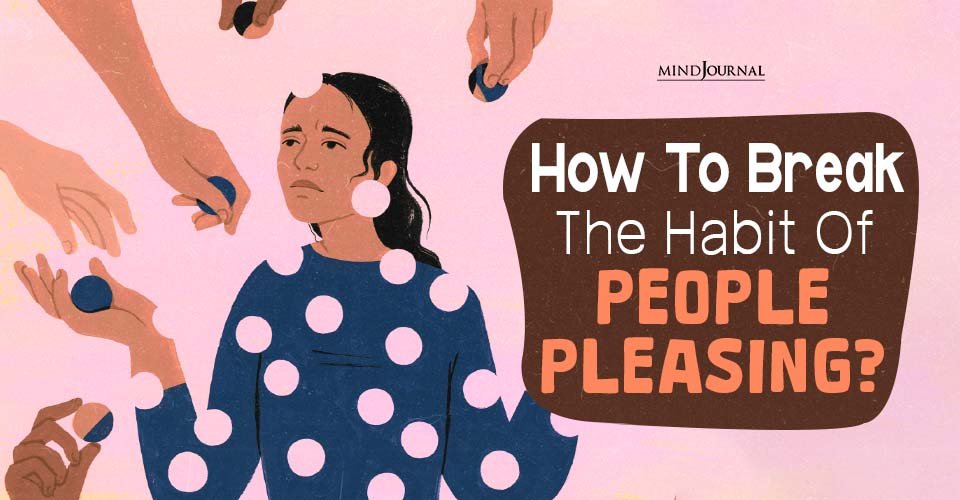
There is a fine line between being kind and being a pushover. Most of us grow up being told to be nice, be polite, don’t make waves, and keep the peace. And while those are genuinely good values on the surface, there comes a point where “being nice” stops being a virtue and starts becoming a trap. The truth that nobody really wants to say out loud is this: when you try to please everyone, you end up losing the respect of almost everyone — including yourself.
The Difference Between Kindness and People-Pleasing
Kindness is a choice you make from a place of strength. You help someone because you genuinely want to, because it aligns with your values, and because it feels right. People-pleasing, on the other hand, is driven by fear — fear of rejection, fear of conflict, fear of being disliked. One comes from confidence, the other from anxiety.
A kind person can say no. A people-pleaser cannot.
That distinction matters more than most people realize. When you are kind, people appreciate you. When you are a people-pleaser, people take advantage of you — often without even meaning to. It becomes a pattern where others unconsciously learn that your boundaries are flexible, your time is always available, and your opinions will shift based on whoever is in the room.
Why People-Pleasing Quietly Destroys Your Reputation
Here is the uncomfortable reality: people do not actually respect someone who always agrees with them. They may enjoy it in the short term — who doesn’t like hearing “yes”? — but over time, they stop taking that person seriously.
Think about the people you genuinely respect in your life. Chances are, they are not the ones who nodded along with everything you said. They are the ones who pushed back when you were wrong, who told you a hard truth when you needed it, and who had the confidence to stand by their own opinions even under pressure.
Respecting yourself publicly teaches others to respect you too.
When you constantly change your stance to match the crowd, people notice — even if they never say it directly. You become someone whose opinion holds no real weight because everyone already knows it will change the moment someone disagrees. Your “yes” means nothing because it was never based on genuine thought or conviction.
The Hidden Costs of Always Saying Yes
People-pleasing feels safe in the moment. You avoid the awkward silence, the potential argument, the disappointed face. But the long-term costs are significant:
- Burnout: When you say yes to everything, your time and energy get spread impossibly thin. You end up exhausted doing things you never actually wanted to do.
- Resentment: This one sneaks up on people. You keep giving, keep agreeing, keep showing up — and then one day you realize you are deeply resentful of the very people you were trying to please.
- Loss of identity: When your entire personality is built around making others comfortable, you slowly stop knowing what you actually think, feel, or want.
- Attracting the wrong relationships: People who specifically seek out people-pleasers are often those who want control. Your niceness becomes a magnet for the wrong kind of company.
- Missed opportunities: Staying quiet to keep the peace means your ideas never get heard, your talents go unnoticed, and your career or personal growth quietly stalls.
What Real Respect Actually Looks Like
Respect is not the same as being liked. This is one of the most important things to understand. You can be liked without being respected, and you can be respected even by people who do not particularly like you.
Respect is earned by:
- Keeping your word — saying what you mean and meaning what you say
- Having a consistent character — being the same person whether you are in front of your boss, your friends, or a stranger
- Being honest even when it is uncomfortable — giving real feedback, real opinions, real boundaries
- Knowing your worth — not shrinking yourself to make others feel bigger
None of these things require you to be rude or aggressive. You can be warm, thoughtful, and genuinely caring while also being firm. In fact, that combination — warmth and firmness together — is exactly what commands lasting respect.
How to Be Nice Without Losing Yourself
The goal is not to stop being nice. The world genuinely needs more kindness. The goal is to be nice from a place of self-respect rather than self-sacrifice.
A few practical shifts that make a real difference:
- Pause before you answer. Instead of automatically saying yes, give yourself a moment. Ask: do I actually want to do this, or am I just avoiding discomfort?
- Practice small nos first. You do not have to start by confronting your most difficult relationship. Begin with low-stakes situations and build the muscle.
- Remember that honest feedback is a gift. When you tell someone the truth respectfully, you are treating them like an adult who can handle reality — that is a form of deep respect.
- Accept that not everyone will like you — and that is okay. Trying to be universally liked is not just exhausting, it is impossible. The people worth keeping in your life will respect you more for having a backbone.
- Separate your self-worth from others’ approval. This is the deep work. When your sense of value comes from within rather than from other people’s reactions, people-pleasing loses its grip on you.
Final Thoughts
Being nice is one of the best things you can be. But niceness without boundaries is not actually kindness — it is self-abandonment dressed up as generosity. The people who earn true, lasting respect are not the ones who never disagree or always say yes. They are the ones who show up honestly, speak with integrity, and treat their own time, opinions, and energy as something worth protecting.
You can be both — a good person and someone who respects themselves. In fact, you cannot fully be one without the other.
The moment you stop chasing everyone’s approval is often the exact moment people start genuinely respecting you.