Home Improvement Ideas on a Budget: A Room by Room Planning Guide
When money is limited, the hardest part of home improvement is not finding ideas, it is deciding which ones actually deserve your budget.
Search almost any room and you will find dozens of suggestions, but very few of them tell you how to choose between a new light fixture and fresh flooring when you cannot afford both this year.
That is the gap this guide is meant to fill. Rather than listing isolated ideas, my goal here is to walk through home improvement ideas on a budget room by room, alongside a framework for deciding what to prioritize first.
How to Decide What to Improve First
Before looking at individual rooms, it helps to ask three questions about any potential project.
What gives the best visual impact for the money. Some changes, like paint or lighting, transform a room’s feel disproportionately to their cost. Others, like replacing a functional but outdated appliance, matter more for daily use than appearance.
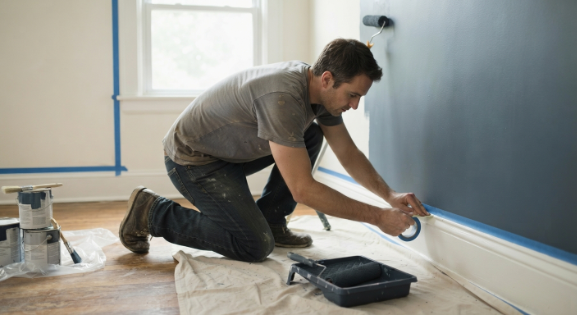
What should I DIY versus hire a professional for. Cosmetic, low risk work is usually safe to attempt yourself. Anything structural, electrical, or involving gas lines should go to a licensed professional, regardless of budget pressure.
How should I divide a limited budget. Rather than spending the entire budget in one room, consider spreading smaller amounts across the rooms that get the most daily use, since that is often where quality of life improves the most.
Living Room
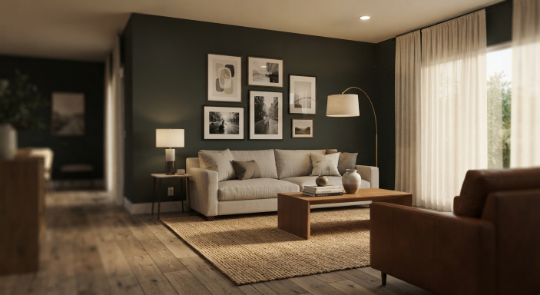
In most homes, the living room benefits most from lighting and layout changes before anything structural. Rearranging furniture to improve flow costs nothing and is worth doing before buying anything new.
From there, a fresh coat of paint on a single wall, updated throw pillows, and warmer bulbs in existing fixtures make a noticeable difference without a large investment. If budget allows for one purchase in this room, a well chosen area rug tends to unify a space more than almost any other single item. Also read 15 Easy Home Improvement Projects Anyone Can Finish This Weekend.
Bedroom
Bedrooms respond well to small, personal touches rather than large renovations. New bedding, a fresh coat of paint, and updated lighting cover most of what makes a bedroom feel outdated.
If storage is a concern, under bed storage bins or a simple closet organization system are far cheaper than built in closet systems and solve the same daily frustration.
Kitchen
Kitchens are where budget decisions matter most, since full remodels are expensive and rarely necessary to meaningfully improve the space.
Cabinet hardware, a fresh coat of paint on cabinets that are structurally sound, and updated lighting deliver most of the visual transformation people associate with a full kitchen remodel, at a small fraction of the cost.
Save larger budget allocations for functional issues, like a failing faucet or a broken appliance, rather than purely cosmetic changes if funds are limited.
Bathroom
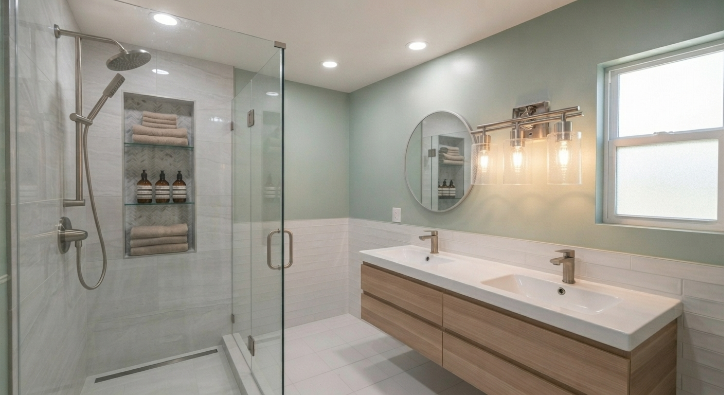
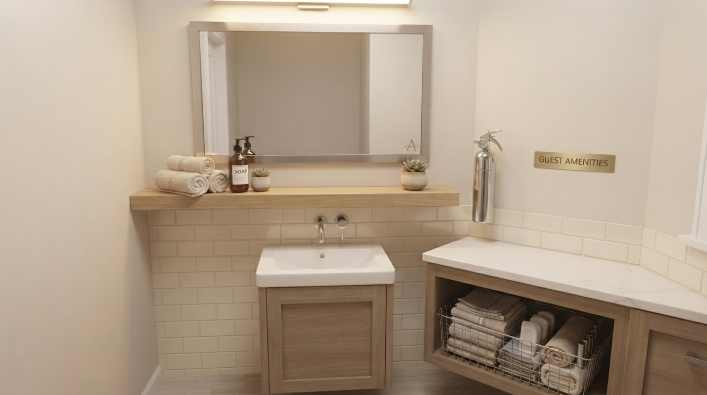
Similar to the kitchen, bathrooms often do not need a full renovation to feel updated. Re caulking, a new mirror, updated lighting, and fresh paint address most of what makes a bathroom feel dated.
If your home was built before 1978, keep lead paint safety in mind for any project that disturbs old paint, as outlined in the EPA’s guidance on renovation and painting in older homes. This applies even to smaller bathroom touch ups, not just full remodels.
Entryway
The entryway sets the tone for the rest of the home and is one of the least expensive areas to meaningfully improve.
A coat of paint on the front door, updated house numbers, a new doormat, and better lighting cover the majority of what makes an entryway feel welcoming, all for a modest combined cost.
Home Office
If you use a home office regularly, prioritize function over decoration. A better chair or improved lighting will affect daily comfort more than decorative changes.
Once function is addressed, small additions like shelving or a fresh coat of paint can round out the space.
[Internal Link: Beginner Home Improvement Tools Guide]
Outdoor Spaces
Outdoor improvements on a budget tend to focus on maintenance and small additions rather than construction. Power washing a deck or walkway, adding potted plants, and refreshing exterior paint on trim or doors offer strong visual return for relatively low cost.
Larger outdoor projects, like a new deck or fence, should be planned separately and budgeted for over a longer period if funds are tight.
Storage
Across every room, storage improvements tend to be some of the most cost effective changes available.
Closet organization systems, over the door racks, and repurposed containers solve real daily frustrations without construction costs.
Lighting
Lighting deserves its own mention because it affects every room and is rarely the most expensive fix available.
Warmer bulbs, updated fixtures, and additional lamps in dark corners are consistently among the highest value, lowest cost improvements a homeowner can make.
Walls and Flooring
Paint remains the highest value wall improvement for the cost. For flooring, full replacement is expensive, so consider whether a deep clean, refinishing, or an affordable area rug can extend the life of existing flooring before committing to a full replacement.
Energy Efficiency
Energy efficiency upgrades often pay for themselves over time, which makes them worth prioritizing even on a tight budget. Weatherstripping, sealing air leaks, and adjusting water heater temperature settings are low cost projects with a real ongoing return.
The Department of Energy’s guidance on home energy audits and do it yourself efficiency projects is a useful starting point for identifying where a home is losing the most energy before spending on upgrades.
Curb Appeal
Curb appeal projects tend to offer strong visual return relative to their cost, particularly paint, landscaping cleanup, and updated house numbers or lighting near the entrance.
A Practical Homeowner Scenario
Consider a hypothetical homeowner with a modest annual budget for home improvements and a long list of ideas across every room.
Rather than spending the entire budget in the living room, they divide it across three priorities for the year: sealing drafts and upgrading weatherstripping for energy savings, repainting the kitchen cabinets and swapping hardware, and refreshing the entryway with paint and lighting.
Each project is chosen because it offers a strong return relative to its cost, and together they touch three different areas of daily life rather than concentrating all the improvement in one room.
FAQs
How do I decide which room to improve first on a limited budget?
Prioritize rooms based on daily use and the visual or functional impact of the change, rather than simply starting with the room that bothers you most aesthetically.
What home improvement ideas on a budget offer the best value?
Paint, lighting updates, and storage improvements consistently offer strong visual or functional return relative to their cost across nearly every room.
Should I DIY or hire a professional for budget home improvements?
Cosmetic and low risk projects are generally safe to DIY, while electrical, structural, or gas related work should go to a licensed professional regardless of budget.
How should I split a limited home improvement budget across rooms?
Spreading smaller amounts across high use rooms often improves daily quality of life more than concentrating the entire budget in a single space.
Are energy efficiency upgrades worth including in a limited budget?
Yes, many energy efficiency projects are low cost and offer an ongoing return through lower utility bills, making them a strong use of limited funds.
Do I need to renovate a whole room to see a real difference?
No, targeted changes like paint, lighting, and hardware updates often deliver a comparable visual improvement to a full renovation at a much lower cost.
Conclusion
Home improvement ideas on a budget work best when they are chosen deliberately, not gathered from every list you come across.
My approach is to think in terms of priorities first and rooms second, focusing limited funds on the changes that affect daily life the most while saving structural or safety related work for when it can be done properly.
Use this room by room guide as a starting point, then build your own priority list based on where your home actually needs the most attention.