Home Makeover Ideas on a Budget
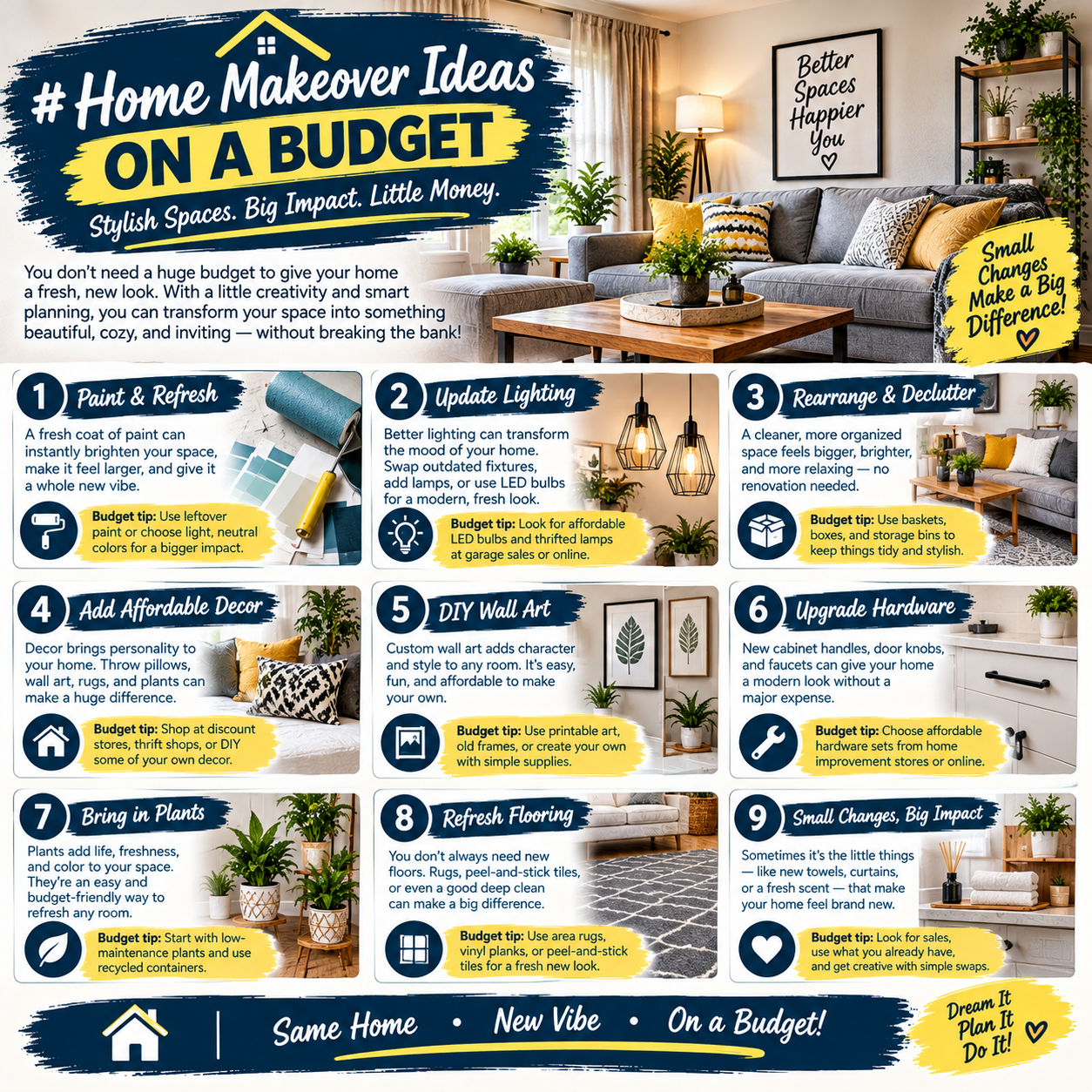
Giving your home a fresh new look does not have to cost a fortune. With some creativity, planning, and a willingness to work with what you already have, you can make noticeable improvements without spending too much money.
A budget-friendly makeover is not about buying the cheapest products available. It is about spending your money carefully on changes that have the biggest visual and practical impact. From rearranging furniture to adding a fresh coat of paint, simple updates can make your home feel completely different.
Here are some affordable home makeover ideas you can try.
Start With Decluttering
Before spending money on new decorations or furniture, start by removing things you no longer need. Clutter can make even a beautifully decorated home feel messy and uncomfortable.
Go through your rooms, cupboards, shelves, and storage areas. Separate items into things you want to keep, donate, sell, or throw away.
Once unnecessary items are removed, your home may immediately feel more spacious. You may also discover that some areas do not need new furniture or decorations at all.
Rearrange Your Furniture
One of the easiest ways to change the appearance of a room is to rearrange the furniture.
Try moving your sofa, chairs, tables, or bed into a different position. Create enough space for people to walk comfortably and avoid blocking windows or doorways.
You can also experiment with different furniture arrangements until you find one that makes the room feel more open and functional.
Best of all, this makeover idea costs nothing.
Give Your Walls a Fresh Coat of Paint
Paint is one of the most effective budget-friendly ways to transform a room. A fresh coat can cover marks, brighten dark spaces, and make an old room feel cleaner.
If painting the entire house is too expensive, focus on one or two rooms. You can also paint a single feature wall to create a focal point without buying a large amount of paint.
Neutral colors such as white, cream, beige, and soft gray can create a clean appearance, while an accent color can add personality.
Update Cabinet Hardware
You do not always need to replace old cabinets to make them look modern. Changing handles and knobs can make a surprising difference.
Consider replacing outdated hardware on kitchen cabinets, bathroom vanities, wardrobes, and drawers.
Choose a style that complements the rest of your room. This is a relatively small change, but it can give older furniture a more updated appearance.
Add Affordable Decorative Cushions
Decorative cushions are a simple way to change the look of a living room or bedroom.
Instead of buying a completely new sofa, add cushions in new colors, patterns, or textures. You can also combine different sizes while keeping the colors coordinated.
When you want another change later, simply replace the cushion covers instead of buying new furniture.
Use Rugs to Define a Space
An affordable rug can add warmth, texture, and personality to a room. It can also help define different areas in an open-plan space.
For example, a rug under a coffee table can visually separate the living room from the rest of the space.
If you are working with a limited budget, look for simple designs that complement your existing furniture rather than choosing something that requires you to redesign the entire room.
Improve Your Lighting
Changing the lighting can make a room feel completely different.
Replace outdated lamps or light fixtures if necessary, or add affordable table and floor lamps to create additional layers of light.
Warm lighting can make living rooms and bedrooms feel cozy, while brighter lighting can work well in kitchens, bathrooms, and work areas.
You can also make better use of natural light by keeping windows clean and avoiding heavy curtains that block daylight.
Add Mirrors
Mirrors are useful for both decoration and creating the feeling of more space.
A large mirror can reflect light and make a small room appear brighter and more open. You can place one across from a window to maximize natural light.
You do not necessarily need an expensive designer mirror. A simple mirror with an attractive frame can provide a similar decorative effect.
Refresh Old Furniture
Before replacing old furniture, consider whether it can be refreshed.
Wooden tables, chairs, shelves, and cabinets can sometimes be improved with sanding and repainting or refinishing. Old furniture can also receive new handles, legs, or decorative details.
If a sofa is still comfortable but looks worn, a slipcover or new throw can give it a fresh appearance.
Reusing furniture is often much cheaper than buying everything new.
Create Simple Wall Art
Empty walls can make a room feel unfinished, but decorating them does not have to be expensive.
Create a gallery wall using affordable frames and photographs. You can also display posters, prints, handmade artwork, or personal photographs.
Another option is to create your own simple artwork using inexpensive materials. Choose colors that match your existing furniture and accessories.
Bring in Some Plants
Plants can add life and color to almost any room. You do not need expensive decorative plants to make a difference.
Place small plants on shelves, tables, windowsills, or empty corners. If you have limited time for plant care, choose varieties that are relatively easy to maintain.
Even a few plants can make a room feel fresher and more welcoming.
Upgrade Your Curtains
Curtains have a significant effect on the overall appearance of a room.
If your current curtains look old or do not match your decor, replacing them can provide an instant update. Choose simple colors and designs that complement the walls and furniture.
Hang curtains high and wide where practical to create a more spacious appearance around windows.
Improve Your Entryway
The entrance is the first part of your home that visitors see, so giving it a simple makeover can make a strong impression.
Add a small mirror, a shoe organizer, hooks for bags and keys, or a simple decorative plant. Keep the area clean and free from unnecessary clutter.
You can also refresh the front door with paint or new hardware if appropriate.
Make Your Bedroom More Comfortable
You do not need a new bedroom set to create a more attractive space.
Start with the bed. Change the bedding, add a few cushions, and use a soft throw to create a more comfortable appearance.
Keep bedside tables organized and consider adding a small lamp or simple decoration. A clean and organized bedroom can feel much more relaxing without requiring a major renovation.
Give the Bathroom a Mini Makeover
Bathrooms can often be updated without a full renovation.
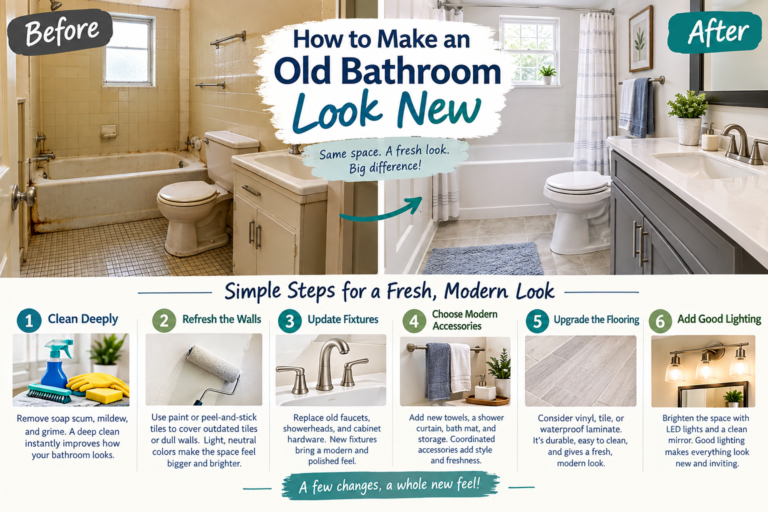
Start by giving the room a deep clean. Pay attention to grout, mirrors, fixtures, and storage areas.
You can then replace small items such as the shower curtain, bath mat, towels, cabinet handles, or mirror. Adding a small plant or attractive storage basket can also improve the room’s appearance.
If the walls look tired, moisture-appropriate paint can provide another affordable improvement.
Organize Your Storage
Good organization can make your home look better without changing its structure.
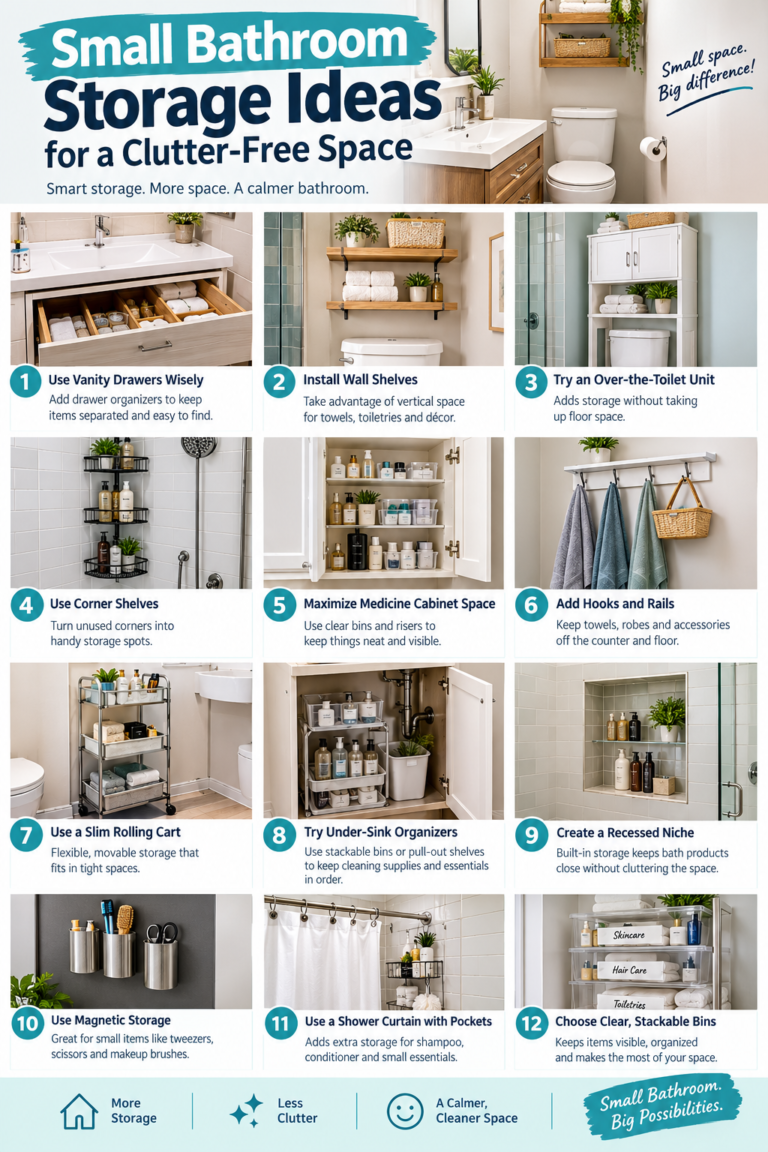
Use baskets, boxes, shelves, hooks, and drawer organizers to keep everyday items under control. Make use of vertical space where possible.
Instead of leaving items on countertops and tables, give frequently used belongings a specific storage location.
An organized home often looks more expensive simply because it feels clean and intentional.
Shop Your Own Home
Before buying new decorations, look around your house. You may already have items that could work in another room.
Move artwork, lamps, cushions, vases, or small tables between rooms to create a different appearance.
You can also repurpose old items. For example, an unused basket could become storage, while an old wooden table could be cleaned and refinished for another room.
Set Priorities and Stick to Your Budget
A budget-friendly makeover works best when you decide how much you can comfortably spend before starting.
Make a list of improvements and separate them into priorities. Focus first on changes that improve both appearance and functionality.
Avoid buying everything at once. Complete one area, evaluate the result, and then decide what should come next.
Keeping track of your spending can also prevent small purchases from adding up unexpectedly.
Conclusion
A home makeover does not require a large budget. With careful planning and creativity, you can transform your space using simple changes such as paint, rearranged furniture, updated lighting, new textiles, mirrors, plants, and better organization.
The key is to focus on improvements that make a noticeable difference while making use of what you already own. Start small, avoid unnecessary purchases, and give yourself time to complete the project.
A comfortable and stylish home is less about how much you spend and more about how thoughtfully you use the space you have.