
How to Create a Renovation Budget You Can Actually Follow
Renovating a bathroom can be exciting, but costs can quickly get out of control if you do not have a clear budget. New tiles, fixtures, lighting, cabinets, plumbing, labor, and unexpected repairs can all add up faster than expected.
A good renovation budget is more than a list of prices. It should give you a realistic idea of what you can afford, where your money should go, and how much you should keep aside for unexpected expenses.
The good news is that creating a renovation budget does not have to be complicated. With a little planning and discipline, you can create a budget that is realistic and easier to follow.
1. Decide What You Want to Change
Before thinking about prices, make a list of everything you want to change.
Do you want new tiles? Are you replacing the bathtub or shower? Do the cabinets need updating? Do you want better lighting or more storage?
Separate your ideas into two categories: things you need and things you want.
For example, fixing a leaking pipe is a need, while installing an expensive decorative mirror may be a want. Knowing the difference will help you decide where to spend your money if the budget becomes tight.
2. Set Your Maximum Budget
Choose the maximum amount you are comfortable spending before you start buying materials.
Be realistic about your finances and avoid creating a budget based on money you may not actually have.
It can be helpful to choose both a target budget and an absolute maximum. Your target is what you hope to spend, while the maximum is the point you do not want the renovation to exceed.
Having a clear limit can help prevent unnecessary upgrades during the project.
3. Break the Budget Into Categories
Instead of keeping one large number in your head, divide the budget into categories.
Common renovation expenses include:
- Materials
- Fixtures
- Plumbing
- Electrical work
- Labor
- Cabinets and storage
- Lighting
- Painting
- Flooring
- Waste removal
- Delivery and transportation
- Unexpected repairs
Breaking costs down this way makes it easier to see where your money is going.
4. Get Several Quotes
If you are hiring contractors or specialists, do not automatically accept the first price you receive.
Get quotes from several qualified professionals where possible. Ask each person what is included in the price and whether materials, labor, transportation, and cleanup are included.
A very low quote may not necessarily be the cheapest option if important work has been left out.
Look at the full scope of work rather than comparing only the final numbers.
5. Research Material Prices
Before finalizing your budget, check the prices of the materials and fixtures you plan to use.
Compare different tile types, faucets, toilets, sinks, cabinets, lighting fixtures, and other products.
You may discover that two products have similar appearances but very different prices.
Keep a record of the prices so you can calculate the total cost rather than relying on rough estimates.
6. Include Labor Costs
One common budgeting mistake is focusing heavily on materials while forgetting about labor.
Depending on the project, you may need plumbers, electricians, tilers, painters, carpenters, or other skilled workers.
Ask for labor estimates before work begins and make sure you understand what each professional is responsible for.
If you plan to do some work yourself, be honest about what you can realistically handle. Taking on complicated plumbing or electrical work without the necessary skills can create additional costs later.
7. Keep an Emergency Fund
Even a carefully planned renovation can uncover unexpected problems.
For example, removing old tiles may reveal damaged surfaces, or opening a wall may expose plumbing that needs repair.
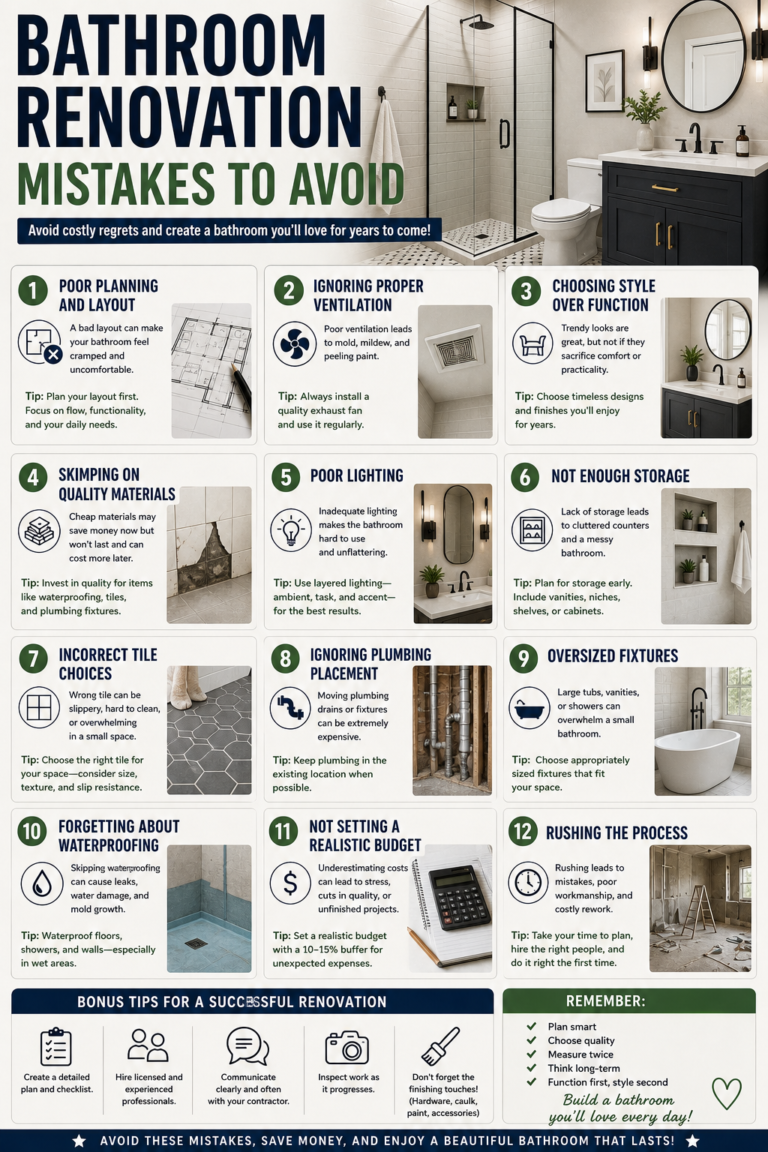
Set aside part of your budget for these situations. A contingency amount of around 10–20% is commonly used for renovation planning, although the appropriate amount depends on the age and condition of the bathroom and the scope of the project.
The important thing is not to spend this reserve on upgrades before the project is finished.
8. Prioritize the Important Work
If your budget cannot cover everything you want, prioritize the work that affects safety, function, and long-term durability.
For example, repairing leaks, addressing damaged plumbing, improving waterproofing, and fixing electrical problems should generally take priority over decorative changes.
Once the essential work is covered, you can decide how much money remains for cosmetic improvements.
9. Choose Where to Save and Where to Spend
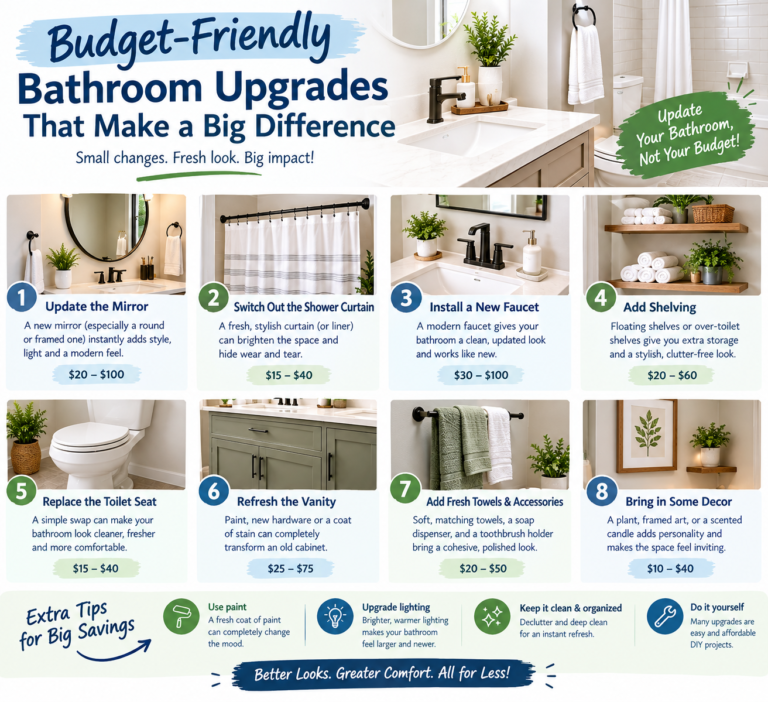
You do not have to buy the most expensive option for every part of the renovation.
Look for areas where you can save without sacrificing quality. For example, you might choose affordable wall tiles while spending more on a durable faucet or high-quality waterproofing.
The best place to spend more is often on things that are difficult or expensive to replace later.
Think about durability, maintenance, and installation—not just the initial purchase price.
10. Avoid Changing the Layout Without a Good Reason
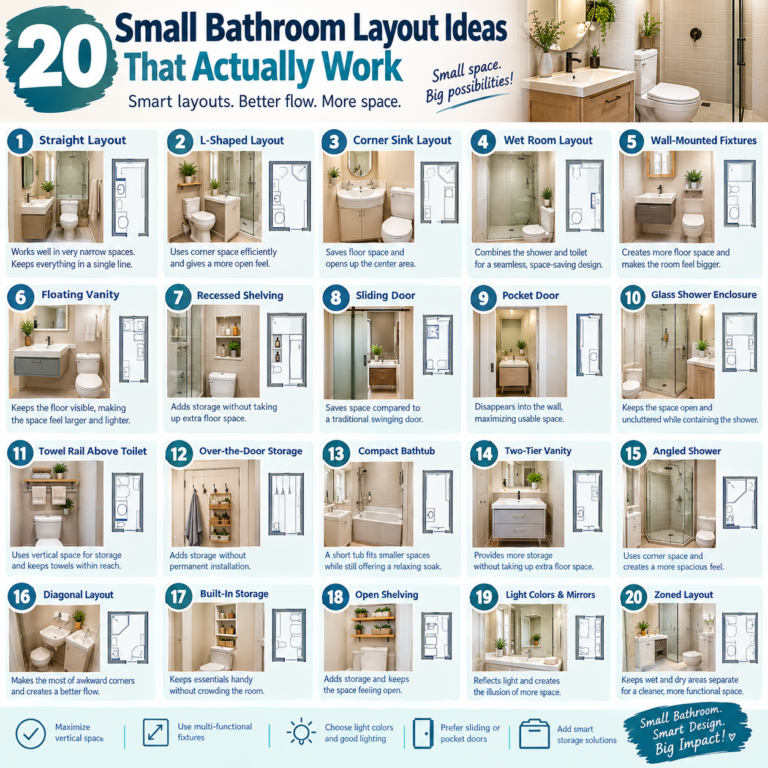
Moving toilets, sinks, showers, and other plumbing fixtures can significantly increase renovation costs.
If your existing bathroom layout works well, keeping it may allow more of your budget to go toward finishes and improvements.
Of course, changing the layout may be worthwhile if the current design has serious functional problems. Just make sure the additional plumbing and labor costs are included in your budget.
11. Track Every Expense
Once the renovation begins, keep track of every purchase and payment.
A simple spreadsheet or notebook can include:
| Item | Estimated Cost | Actual Cost |
|---|---|---|
| Tiles | — | — |
| Toilet | — | — |
| Vanity | — | — |
| Faucet | — | — |
| Lighting | — | — |
| Labor | — | — |
| Plumbing | — | — |
| Miscellaneous | — | — |
Update the list whenever you spend money.
This makes it much easier to see whether you are staying within your budget.
12. Do Not Forget Small Expenses
Small purchases may not seem important individually, but they can add up.
Remember to budget for items such as grout, adhesive, screws, sealant, trim, delivery fees, tools, protective materials, and waste disposal.
These costs are easy to overlook because they are not usually the main focus of the renovation.
Adding a small miscellaneous category to your budget can help cover them.
13. Be Careful With Last-Minute Changes
One of the easiest ways to break a renovation budget is to keep changing your mind after work has started.
You may see a more expensive tile or decide that you want a different faucet halfway through the project.
Before making a change, calculate how much extra it will cost and decide whether you can afford it without affecting other important parts of the renovation.
A simple rule can help: If you add something, find out what you need to remove or reduce to pay for it.
14. Pay Attention to Quality
A low price is not always the best value.
Cheap materials may cost more over time if they wear out quickly, require frequent repairs, or need to be replaced sooner.
At the same time, expensive does not automatically mean better.
Compare specifications, durability, warranties, maintenance requirements, and reviews when choosing important products.
15. Review the Budget Before Starting
Before demolition or installation begins, go through the entire budget one final time.
Make sure you know:
- What work will be done
- What materials are needed
- How much labor will cost
- What has already been paid
- What remains to be purchased
- How much emergency money is available
If the numbers do not work before the renovation starts, they are unlikely to work once the project is underway.
Final Thoughts
Creating a renovation budget you can actually follow starts with realistic planning. Decide what needs to be done, set a maximum spending limit, research prices, include labor, and keep money aside for unexpected problems.
Most importantly, track your expenses throughout the renovation. A budget only works when you continue checking it as the project progresses.
You do not need the most expensive bathroom to create a beautiful and functional space. By prioritizing important work, choosing materials carefully, and avoiding unnecessary changes, you can create a renovation plan that fits your finances and gives you much better control over the final cost.