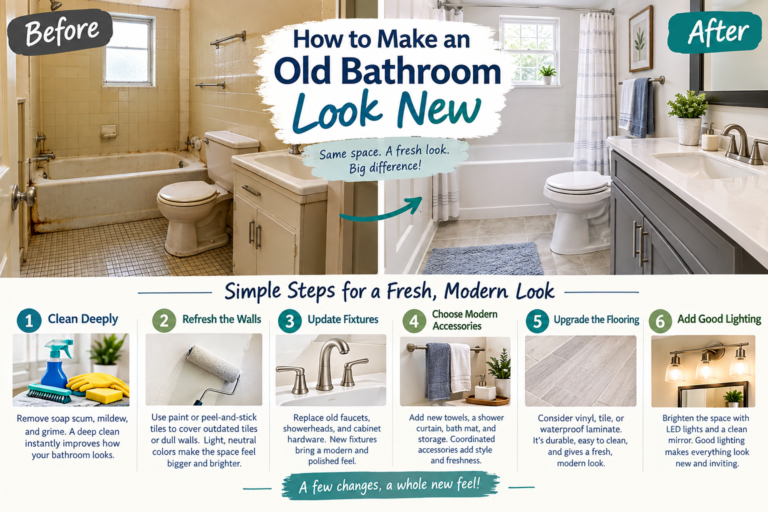

Home Styling & Makeover
Giving your home a makeover does not always mean spending a lot of money or completely renovating every room. Sometimes, a few thoughtful changes can make a space feel cleaner, more comfortable, modern, and welcoming.
Home styling is about choosing colors, furniture, lighting, accessories, and layouts that work well together. Whether you are refreshing a single room or updating your entire home, the goal is to create a space that reflects your personality while remaining practical for everyday life.
Here are some simple and affordable home styling and makeover ideas you can try.
Start With a Clear Plan
Before buying anything, take a good look at your home and decide what you want to change. Walk through each room and identify areas that feel outdated, crowded, empty, or uncomfortable.
Think about questions such as:
- Does the room need more storage?
- Are the colors too dark or mismatched?
- Is the furniture arranged properly?
- Does the room have enough lighting?
- Are there too many decorations?
- What style do you want to create?
Having a clear plan can prevent unnecessary spending and help you focus on improvements that will make the biggest difference.
Declutter Before Decorating
One of the easiest ways to make your home look better is to remove things you no longer need. A beautifully decorated room can still look untidy if there are too many items around.
Go through shelves, countertops, tables, closets, and other storage areas. Separate your belongings into things you want to keep, donate, sell, or throw away.
Once unnecessary items are removed, the room will usually feel larger and more organized. You may also discover that you do not need to buy as much new furniture or decoration as you originally thought.
Give the Walls a Fresh Look
Changing the walls can dramatically affect the appearance of a room. A fresh coat of paint can make an old space feel new again.
Light shades such as white, cream, beige, soft gray, and light green can make rooms feel brighter and more open. If you prefer something more dramatic, consider using a darker shade on one feature wall while keeping the other walls lighter.
You can also add personality without repainting the entire room. Wallpaper, framed artwork, photographs, wall panels, or a simple gallery wall can create an attractive focal point.
Rearrange Your Furniture
You do not always need new furniture to achieve a makeover. Sometimes, simply changing the arrangement can completely transform a room.
Try moving your sofa, chairs, coffee table, or bed into different positions. Make sure there is enough space to walk comfortably and that the furniture does not block windows, doors, or important pathways.
In living rooms, arrange seating so that it encourages conversation rather than simply pointing everything toward a television.
For bedrooms, position the bed where it feels balanced and leaves enough space around it for movement.
Upgrade Your Lighting
Good lighting can make a home feel warmer and more inviting. If a room feels dull, consider improving its lighting before making major changes.
Use a combination of different light sources where possible. Ceiling lights can provide general illumination, while table lamps, floor lamps, wall lights, or decorative fixtures can create softer lighting.
Natural light is also valuable. Keep windows clean and avoid covering them with heavy curtains if you want more daylight.
For a simple makeover, replacing an outdated light fixture can make a noticeable difference.
Add Mirrors to Create More Visual Space
Mirrors are useful for both decoration and functionality. A large mirror can make a small room appear more spacious by reflecting light and creating a greater sense of depth.
Consider placing a mirror opposite a window to reflect natural light. Decorative mirrors can also act as statement pieces above sofas, consoles, fireplaces, or bedroom dressers.
Choose a frame that matches the overall style of the room for a more coordinated appearance.
Refresh Your Furniture
If your furniture is still in good condition, there may be no reason to replace it.
Old cabinets, tables, and chairs can often be refreshed with paint, new handles, replacement legs, or a simple repair. A tired sofa can look completely different with new cushions and a throw blanket.
Changing cabinet handles and drawer pulls is another inexpensive way to update kitchens, bedrooms, and living areas.
The key is to look at what you already have before deciding what you need to buy.
Use Textiles to Add Comfort
Soft furnishings are an easy way to introduce color, texture, and comfort into your home.
Consider adding:
- Throw pillows
- Area rugs
- Curtains
- Blankets
- Bed covers
- Decorative cushions
- Table runners
You can use textiles to introduce a new color scheme without repainting the entire room.
For example, if your room is mostly neutral, adding a few cushions, a rug, and curtains in complementary colors can give it a completely different appearance.
Bring Nature Indoors
Plants can make a room feel fresh and lively. You do not need a large collection of plants to make an impact.
A few carefully placed plants can work well on shelves, side tables, windowsills, or empty corners. If you do not have enough natural light or do not have time to care for plants, consider low-maintenance varieties.
Even simple flowers in a vase can add color and freshness to a living room, dining area, or bedroom.
Create a Consistent Color Scheme
A home can feel more stylish when the colors work together. You do not need to use the same color everywhere, but choosing a basic palette can help create a more coordinated appearance.
Start with two or three main colors and use different shades or textures throughout the room.
For example, you could combine a neutral base with warm wood tones and one accent color. Repeat those colors through cushions, curtains, artwork, rugs, and accessories.
Avoid using too many unrelated colors, as this can make a room feel visually busy.
Improve Storage and Organization
A makeover should not only make your home look better; it should also make it easier to live in.
Add baskets, storage boxes, shelves, hooks, or cabinets where they are needed. Use vertical wall space when floor space is limited.
In the bedroom, under-bed storage can help keep items organized. In the living room, baskets can provide a convenient place for blankets, books, or children’s belongings.
Good organization helps maintain the clean appearance you create during the makeover.
Add Personal Decorations
Your home should feel like your own. Avoid decorating entirely based on trends if they do not match your personality.
Display photographs, artwork, books, souvenirs, or other meaningful items. These small details can make a home feel more personal and welcoming.
However, try not to overcrowd shelves and surfaces. A few carefully selected pieces often have more visual impact than dozens of decorations.
Update One Room at a Time
If your entire home needs attention, you do not have to complete everything at once.
Choose one room and finish it before moving to the next. This makes the project easier to manage and allows you to control your budget.
Start with areas where you spend the most time, such as the living room, bedroom, or kitchen. Once one space is finished, you can use the experience to plan the next makeover.
Focus on Small Changes That Make a Big Difference
A successful home makeover is not necessarily about buying expensive furniture or completely changing the structure of your home.
Small improvements such as new curtains, updated lighting, fresh paint, better organization, new cabinet handles, decorative cushions, or a large mirror can have a surprisingly strong effect.
Before spending money, ask yourself whether an item will genuinely improve the appearance or functionality of the space.
Conclusion
Home styling and makeover projects are an excellent way to make your living space more comfortable, attractive, and personal. You do not need a huge budget or a professional designer to create noticeable improvements.
Start by decluttering and planning your space. Then consider simple changes such as fresh paint, better lighting, rearranged furniture, updated textiles, mirrors, plants, and improved storage.
Most importantly, create a home that works for your lifestyle. With a little creativity and careful planning, even small changes can give your home a fresh new look.