
How to Tackle Home Improvement Projects on a Budget Without Cutting Corners
Every homeowner eventually hits the same wall. There is a real project that needs doing, not just a decorative wish, but the funds available do not match the number a contractor quoted. That gap is exactly where home improvement projects on a budget live.
In my research into how homeowners actually approach this problem, one pattern becomes clear: the people who stay on budget are not the ones who find magic discounts, they are the ones who plan the project in a specific order before spending a dollar.
This article is about completing real projects while controlling spending, not just collecting cheap decorating ideas. That distinction matters, because a genuinely budget conscious approach means making informed tradeoffs, not simply avoiding spending altogether.
Start With a Written Budget, Not a Guess
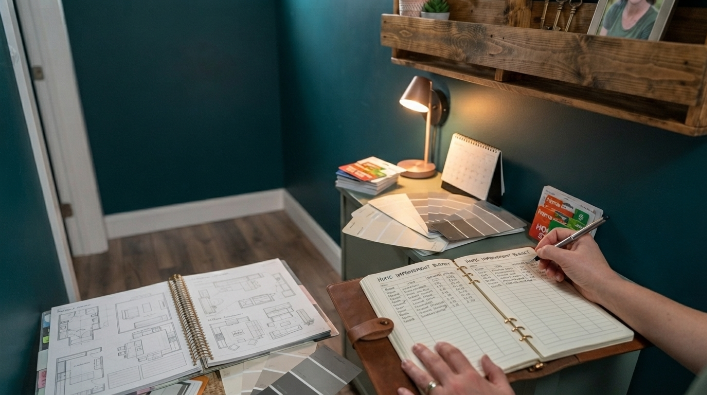
Before picking a project, write down what you can actually spend, including a buffer of at least ten to fifteen percent for the unexpected. Home improvement projects rarely go exactly as planned. A wall might reveal old wiring, or a floor might be uneven under old carpet.
Budgeting for surprises up front prevents a project from stalling halfway through because the money ran out. Also read Home Improvement Projects by Difficulty: What to Tackle First and What to Skip.
Prioritize Projects by Necessity and Impact
Once you know your number, rank potential projects using two questions: does this need to happen soon, and will it noticeably improve daily life or the home’s condition.
A leaking faucet or failing weatherstripping should outrank a decorative accent wall, even if the accent wall feels more exciting.
My preference is to always look at function first and appearance second when the budget is tight, because deferred maintenance tends to get more expensive the longer it waits.
Where Homeowners Can Realistically Save
Materials shopping and timing. Buying flooring, paint, or fixtures during seasonal sales, or choosing in stock items over special orders, can meaningfully lower costs. Many big box retailers discount overstocked tile, cabinet hardware, and lighting.
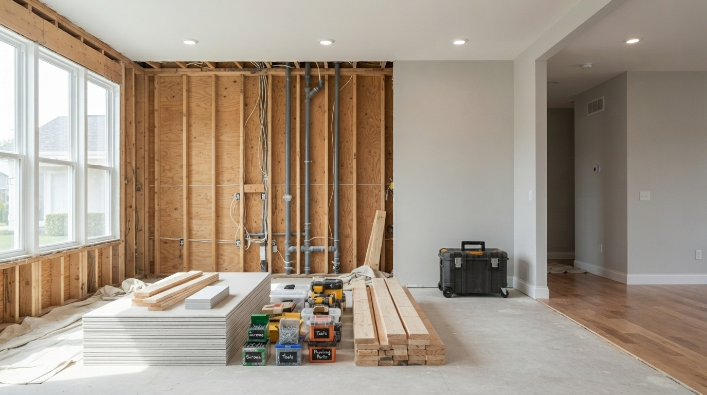
Doing the demolition or prep work yourself. Contractors often charge labor rates for tasks like removing old flooring, pulling up carpet, or stripping wallpaper. Doing this part yourself before a professional arrives can reduce total labor cost.
Reusing existing materials. Refinishing existing cabinets instead of replacing them, or reusing trim and hardware, keeps material costs down while still updating the look of a room.
Choosing mid grade over premium finishes. A mid range laminate or engineered material can look nearly identical to a premium option in everyday use, at a fraction of the price.
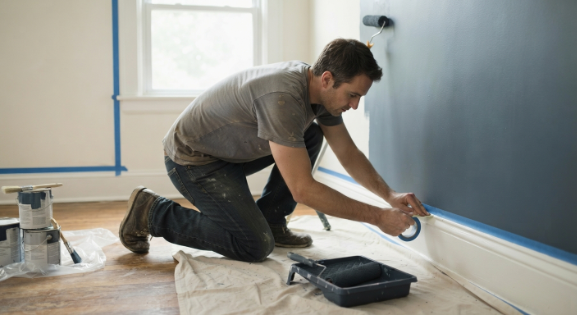
Doing genuinely low risk labor yourself. Painting, installing shelving, or laying peel and stick flooring are all tasks most homeowners can handle without professional help, saving on labor costs specifically.
Where You Should Not Cut Costs
This is the part that gets skipped in a lot of budget advice, and it is the part I think matters most. Some corners are not worth cutting, no matter how tight the budget feels.
Anything involving electrical or gas work. Improperly done wiring or gas line work is a genuine safety hazard, not just a quality issue. This is one area where hiring a licensed professional is worth the cost.
Structural work. Load bearing walls, foundation issues, or major framing changes require professional judgment. A mistake here is far more expensive to fix later than it would have been to do correctly the first time.
Lead paint precautions in older homes. If your home was built before 1978, disturbing old paint during a renovation can release lead dust, which is a serious health risk, particularly for children. The Environmental Protection Agency outlines specific lead safe work practices for renovation projects in older homes, including guidance for homeowners who plan to do the work themselves. Skipping this step to save money is not a reasonable tradeoff.
Waterproofing in wet areas. Cutting corners on bathroom or basement waterproofing tends to cost far more later in water damage repair than it saves up front.
DIY Versus Hiring a Professional
A useful rule of thumb is to ask whether a mistake would be inconvenient or dangerous. Inconvenient mistakes, like uneven paint lines or a slightly crooked shelf, are recoverable and fine to risk as a beginner.
Dangerous mistakes, involving electrical, gas, structural, or major plumbing work, are not worth the potential savings. Also read Home Renovation Ideas: How to Plan Upgrades That Are Worth the Disruption.
In my experience researching this topic, the homeowners who save the most money over time are the ones who know exactly where that line sits for their own skill level.
A Practical Homeowner Scenario
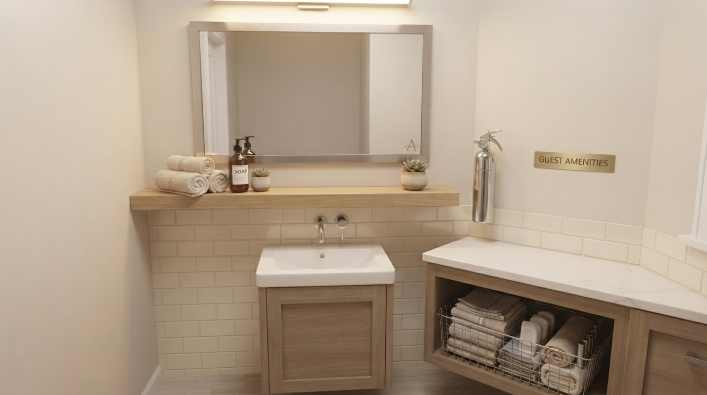
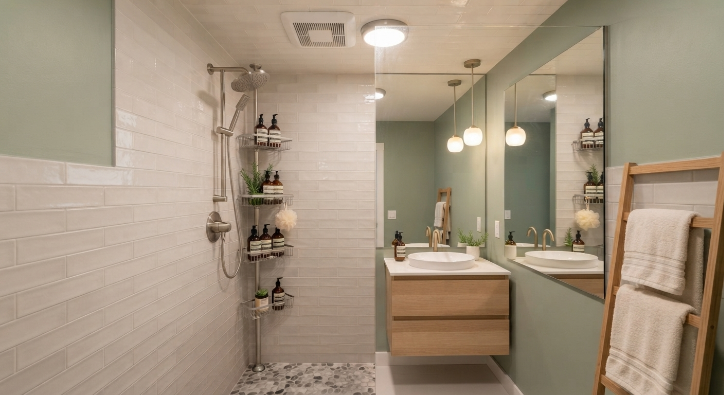
Consider a hypothetical homeowner planning to update a dated bathroom on a limited budget. Rather than a full gut renovation, they decide to keep the existing tub and toilet, since both are functional, and instead focus the budget on repainting the vanity, replacing the countertop with a mid range laminate option, updating the lighting fixture, and re caulking the tub.
They do the painting, hardware swap, and caulking themselves, and hire a plumber only for the countertop’s faucet reconnection. The result is a noticeably updated bathroom completed at a fraction of a full remodel’s cost, because the budget was directed toward the changes that mattered most rather than spread evenly across every surface.
Before and After Value
It is worth noting that not every budget project needs to be justified by resale value. Some projects are worth doing purely for daily comfort or function, even if they would not show up in an appraisal.
That said, cost effective upgrades like fresh paint, updated lighting, and well maintained fixtures tend to hold their value well because they signal that a home has been cared for, which matters to both future buyers and current occupants.
FAQs
How do I plan home improvement projects on a budget? Start with a written budget that includes a buffer for unexpected costs, then rank projects by necessity and daily impact before spending anything.
What home improvement projects save the most money when done yourself? Painting, demolition or prep work, and hardware or fixture swaps typically offer the biggest labor savings when done by the homeowner.
Where should I never cut costs on a home improvement budget? Electrical work, gas lines, structural changes, and lead paint safety in older homes are areas where professional help or proper safety practices are worth the added cost.
Is it cheaper to renovate in stages or all at once? Renovating in stages often spreads out cost and reduces the pressure to make rushed decisions, though it can mean living with an unfinished space longer.
Can I really complete a full project on a tight budget? Yes, as long as the budget is directed at the changes with the most impact rather than spread evenly, and as long as safety related work is not the area being cut.
How much extra should I budget for unexpected costs? A buffer of ten to fifteen percent above your estimated project cost is a reasonable starting point for most home improvement projects.
Conclusion
Home improvement projects on a budget are entirely achievable, but they require planning before spending, not just discount hunting along the way.
My approach is to treat the budget as a tool for prioritizing what actually matters in a project, not as a reason to avoid the parts that need to be done properly.
Start with a written number, rank your projects honestly, and protect the areas where safety and structure are involved. The rest is where your budget has real room to work.