15 Easy Home Improvement Projects Anyone Can Finish This Weekend
There is a specific kind of stress that comes from staring at a to-do list full of home projects you are not sure you can actually pull off.
I run into this a lot when researching home improvement topics: people want to make their homes better, but they picture torn up drywall, rented tools, and a weekend that spirals into a two week ordeal.
That is not what this list is about. These are easy home improvement projects, meaning they are genuinely low skill, low risk, and realistic for someone who has never picked up a drill.
My approach when I look into beginner projects is to separate “easy” from “cheap.” A project can cost a little more and still be easy, and a project can be nearly free and still require patience and precision.
This list focuses purely on how approachable a project is for someone without contractor experience.
A Simple Difficulty Framework
Before jumping in, it helps to rate projects honestly instead of assuming everything on a home improvement list is beginner friendly. I like to sort projects into three tiers.
Very Easy: No tools beyond what most households already own. Under an hour. Almost no risk of doing it wrong.
Easy: One or two basic tools, maybe a trip to a hardware store. An afternoon at most. Mistakes are easy to fix.
Beginner Friendly: Requires following instructions carefully and a bit more time, but still does not need specialized skills or equipment rental.
Keep this framework in mind as you read, because a project that looks intimidating on Pinterest is often a Very Easy task once it is broken into steps. Also read DIY Home Improvement Projects: Tools, Prep, and Mistakes Worth Avoiding.
Very Easy Projects
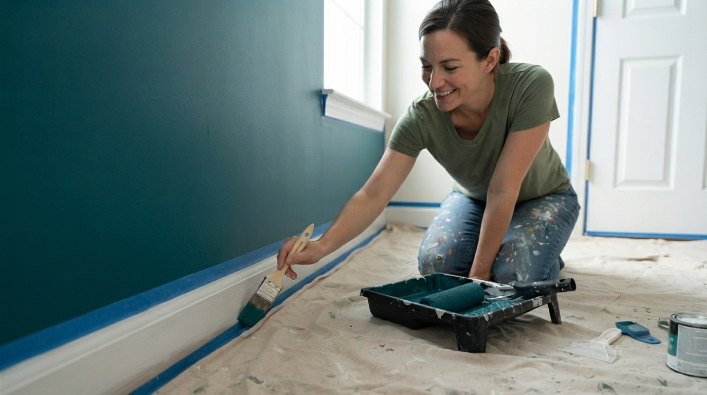
Repainting a single accent wall. Painting one wall, rather than a whole room, keeps the project short and forgiving. You need painter’s tape, a roller, a brush for edges, and a drop cloth. Most people finish in three to four hours including dry time between coats.
Swapping cabinet or drawer hardware. New knobs and pulls change the feel of a kitchen or bathroom without touching the cabinets themselves. A screwdriver is often the only tool required, and if the new hardware uses the same screw holes, this takes less than an hour for an entire kitchen.
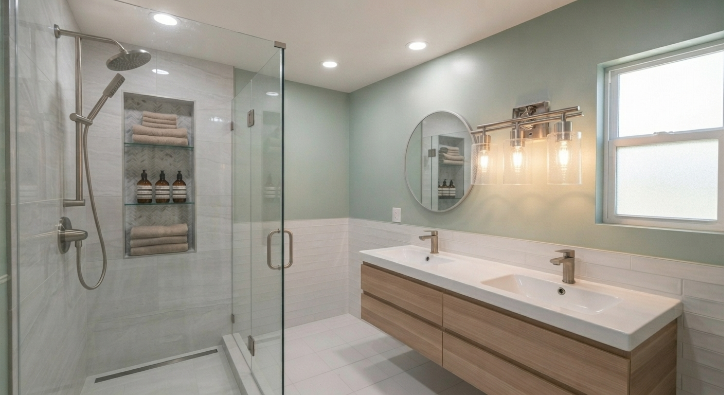
Installing a new showerhead. Most showerheads screw on by hand or with a wrench and plumber’s tape. There is no cutting, no soldering, and no risk of leaks if you follow the packaging instructions.
Replacing outlet and switch plate covers. This is purely cosmetic and involves removing two screws per plate. Always turn off the breaker for extra safety even though the covers themselves are not electrical components.
Easy Projects
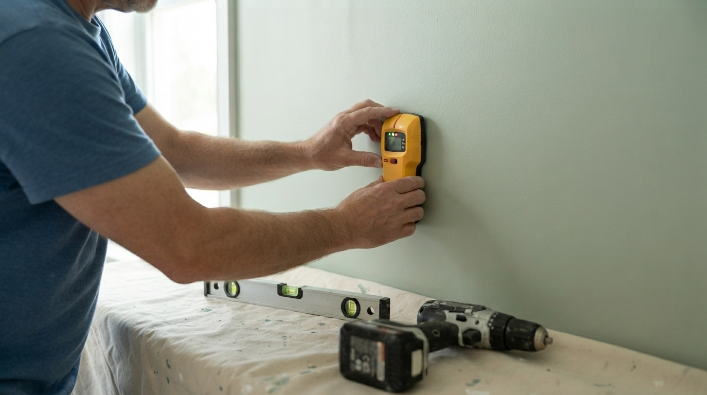
Installing floating shelves. Floating shelves typically come with a wall bracket and mounting hardware. The main skill involved is finding a wall stud or using the correct wall anchors, which the product packaging usually explains clearly.
Caulking around a bathtub or sink. An old, cracked caulk makes a bathroom look neglected even if everything else is clean. Removing old caulk with a scraper and applying a fresh bead takes patience more than skill, and there are plenty of forgiving, paintable caulks made for beginners.
Weatherstripping doors and windows. Beyond making a home more comfortable, sealing gaps around doors and windows is one of the simplest ways to stop drafts.
The Department of Energy notes that these kinds of do it yourself sealing projects are among the easiest energy saving upgrades a homeowner can complete, with step by step guidance available through its Energy Saver do it yourself projects.
Installing a programmable or smart thermostat. Many modern thermostats are designed for homeowner installation, with color coded wires and companion apps that walk you through setup. If your wiring is standard, this is usually a thirty minute project.
Applying peel and stick backsplash tile. These products are designed specifically to avoid the mess and skill required by traditional tile work. They will not last as long as real tile, but for renters or anyone testing out a new kitchen look, they are a genuinely easy win.
Beginner Friendly Projects
Hanging curtains and new curtain rods. This sounds simple until the rod ends up crooked. The trick is using a level and marking bracket holes before drilling, which turns this into a fifteen minute task instead of a frustrating one.
Building a small raised garden bed from a kit. Pre-cut kits require only a screwdriver or drill and basic assembly, similar to furniture. This is a good project for anyone who wants a visible result without any construction knowledge.
Refreshing grout with a grout pen or grout paint. Rather than regrouting an entire tile floor or backsplash, a grout pen lets you brighten discolored grout lines with a controlled, narrow applicator. It takes practice on a small test area first, which is why it lands in the beginner friendly tier rather than very easy.
Installing a pegboard for garage or workshop storage. Mounting a pegboard involves measuring, marking, and using wall anchors or studs, which takes a bit more precision than floating shelves but is still very achievable.
Adding under cabinet lighting with plug in LED strips. Battery powered or plug in LED strip lights avoid any wiring work entirely. Installation is usually just peeling an adhesive backing and pressing the strip into place. Also read Home Improvement Projects by Difficulty: What to Tackle First and What to Skip.
Common Beginner Mistakes to Avoid
One thing I always consider when planning a home improvement project, even a small one, is that most beginner mistakes come from skipping preparation rather than lacking skill.
Painting without taping off trim, drilling without checking for a stud or pipe, or rushing caulk application before the surface is fully dry are the errors that turn an easy project into a redo.
Reading the full instructions before starting, working slowly on the first attempt, and testing on a small hidden area when possible will prevent most of these issues.
Safety Still Matters, Even on Easy Projects
Easy does not mean risk free. Basic precautions, like shutting off power before touching outlet covers or using a stable step stool instead of a chair, matter even on the simplest tasks.
The Consumer Product Safety Commission encourages homeowners to build safety checks into routine home projects, since many injuries in the home come from products or setups people assume are harmless, as outlined in its guidance on checking for hazards in everyday home products.
[Internal Link: Beginner Home Improvement Tools Guide]
A Practical Homeowner Scenario
Imagine a homeowner who just moved into a rental and wants the space to feel more personal without violating the lease or investing in tools they will not use again.
In one weekend, they could realistically swap cabinet hardware in the kitchen, add peel and stick tile behind the stove, hang curtains in the living room, and install plug in LED lighting under the cabinets.
None of these require permanent changes, specialized tools, or prior experience, yet the apartment looks noticeably different by Sunday evening.
This is a hypothetical scenario, but it reflects how these projects are typically combined by people working with limited time and limited skills.
Conclusion
Easy home improvement projects are not about doing less, they are about choosing tasks that match your actual skill level so you finish with a result you are proud of instead of a half done mess.
Start with one or two Very Easy projects, build some confidence, and work your way toward the Beginner Friendly tier once you have a feel for how your home responds to small changes.
My approach is to treat these small wins as practice for bigger projects down the line, not as a lesser version of real home improvement.
FAQs
What is the easiest home improvement project for a total beginner?
Swapping cabinet hardware or switch plate covers is usually the easiest starting point, since both involve simple screws and no specialized tools.
Do easy home improvement projects still require any tools?
Some do not require tools at all, while others need only a screwdriver, a level, or a basic drill. Very few beginner projects require anything more advanced.
How long do easy home improvement projects usually take?
Most take between thirty minutes and a few hours. Very few beginner friendly projects should stretch beyond a single afternoon.
Are easy home improvement projects safe to do without professional help?
Most are safe when instructions are followed carefully, but anything involving electrical wiring beyond swapping a cover plate or plumbing beyond a showerhead should be evaluated carefully or left to a professional.
Can renters do these easy home improvement projects too?
Yes, many of these projects, including peel and stick tile, plug in lighting, and curtain installation, are specifically popular with renters because they do not damage the property.
What tools should a beginner buy first?
A basic screwdriver set, a stud finder, a level, and a stable step stool cover the majority of easy home improvement projects on this list.