Home Improvement Ideas for Beginners: How to Actually Get Started
Most articles aimed at home improvement ideas for beginners jump straight into a list of projects.
I think that skips the actual problem beginners run into, which isn’t a lack of project ideas, it’s not knowing how to evaluate whether a project is realistic for their skill level in the first place.
In my research into how people get stuck early on, the pattern is usually the same: someone picks a project based on how it looks in a photo, underestimates what it involves, and either abandons it halfway or ends up frustrated with the result.
This article is meant to work more like a roadmap than a checklist, so you can think through home improvement projects the way someone with more experience would.
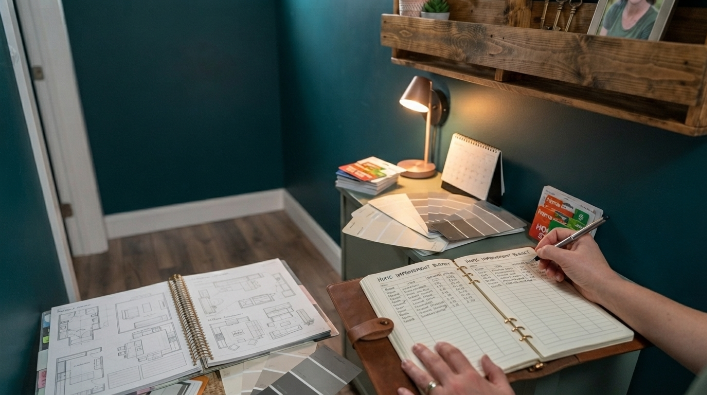
Start With an Honest Skill Assessment, Not a Project List
Before picking anything, it helps to be honest about three things: how comfortable you are with basic tools, how much time you realistically have, and whether you’ve ever completed any hands on task with a measurable result, even something outside home improvement. None of these need to be impressive answers. The point is calibration, not qualification.
Learn the Core Tools Before You Need Them
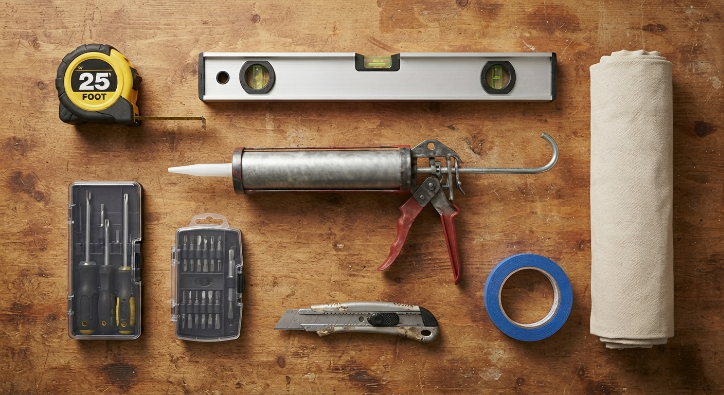
You don’t need a full workshop to start. A basic beginner toolkit typically includes a tape measure, a level, a set of screwdrivers, a utility knife, painter’s tape, and a stud finder.
Learning what each one actually does, not just owning them, is what separates a smooth first project from a frustrating one.
A tape measure paired with a level solves more beginner mistakes than any other combination, because so many early projects go wrong from something being slightly off center or crooked rather than from a lack of skill.
Choosing Your First Project
I usually recommend starting with a project that has a single clear outcome and a short timeline, something you can complete start to finish in one sitting.
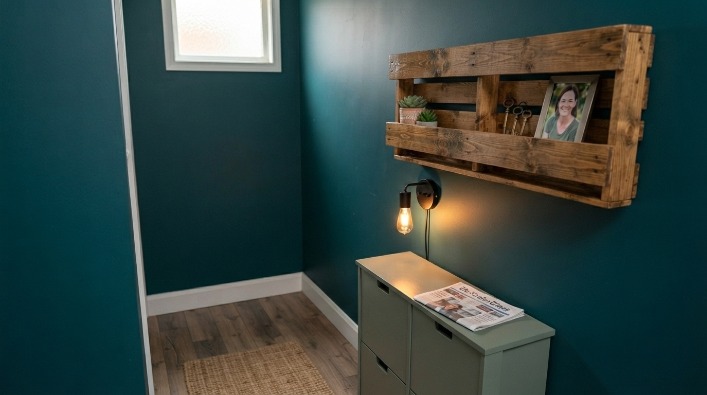
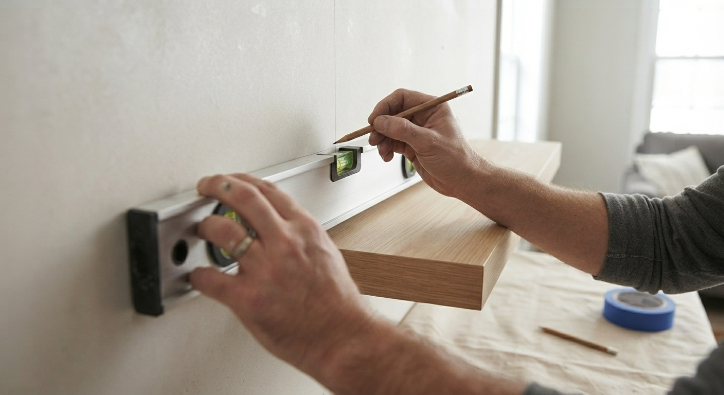
Repainting a small area, replacing outdated cabinet hardware, or installing floating shelves are all reasonable first projects because each one teaches a specific, transferable skill: surface prep, basic measuring, or working with a level and anchors.
Avoid choosing your first project based purely on visual appeal. A project that looks simple in a photo can hide steps that aren’t obvious until you’re already partway through, like uneven walls, outdated wiring behind a fixture, or plumbing that doesn’t match modern parts.
Measuring and Preparing Surfaces
Measuring twice before cutting or drilling once is more than a saying, it’s the actual habit that prevents most beginner mistakes.
Before painting, take the time to clean the surface and let it dry completely. Painting over dust or grease is one of the most common reasons a beginner paint job looks patchy, regardless of how good the paint itself is.
Basic Painting for Beginners
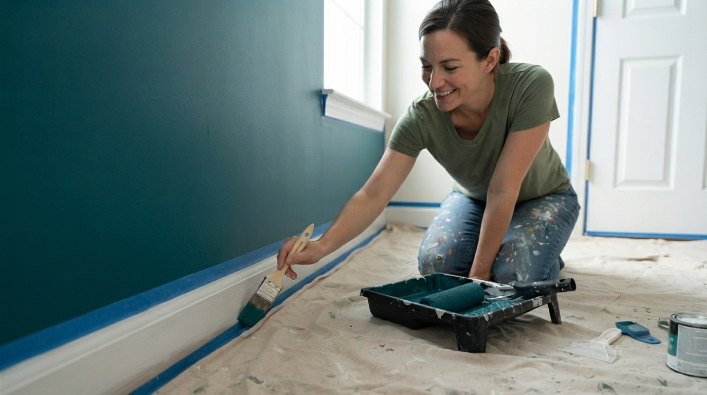
Painting is often recommended as a first project because mistakes are usually fixable with another coat.
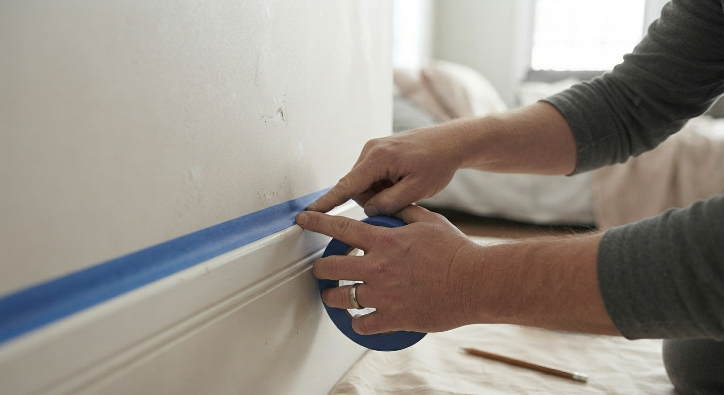
Start small, a single wall, a door, or trim, rather than an entire room. Use painter’s tape along edges, apply thin even coats rather than one thick one, and let each coat dry fully before adding the next.
This single habit, patience between coats, prevents more visible mistakes than any specific technique.
Basic Caulking and Small Repairs
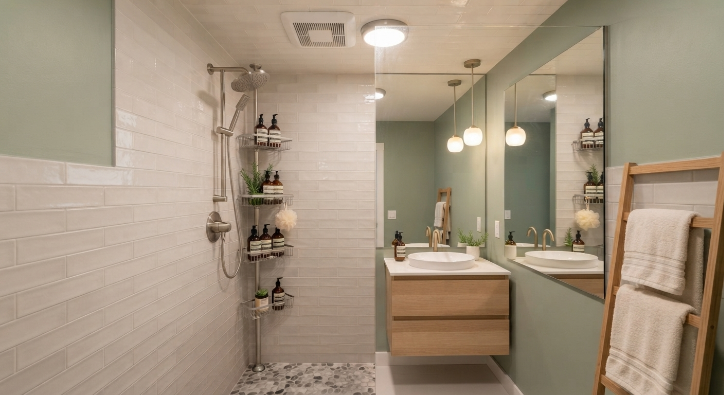
Caulking around a sink, tub, or window frame is a genuinely beginner friendly task once you understand the basic sequence: remove old caulk, clean and dry the surface, then apply a thin even bead.
It’s forgiving because mistakes can usually be wiped away and redone before the caulk sets. Also read DIY Home Improvement Projects: Tools, Prep, and Mistakes Worth Avoiding
Where Beginners Should Stop and Call a Professional
This is the part of a beginner’s roadmap that matters most, and it’s the one most beginner focused articles underexplain.
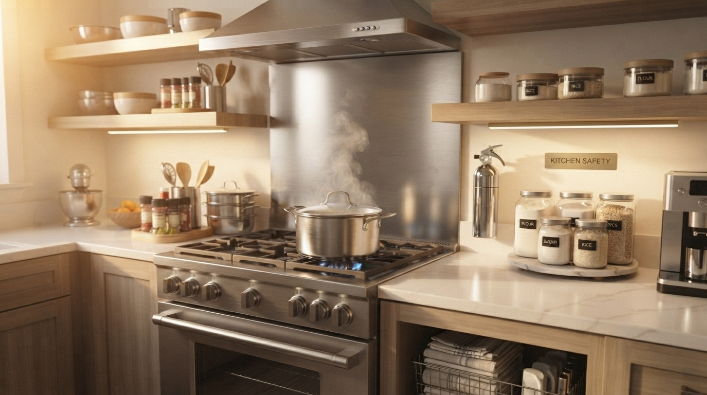
Electrical work involving new wiring or circuit changes, structural changes like removing or altering load bearing walls, gas line work, roofing, and major plumbing beyond simple fixture swaps all carry real safety risk and often legal requirements around permits and licensed work.
If you’re renovating a home built before 1978, it’s also worth knowing that older paint layers can contain lead. The EPA’s guidance on lead safe renovation practices for do it yourselfers explains how to identify the risk and reduce exposure if you plan to disturb painted surfaces during a project.
This isn’t meant to be alarming, it’s meant to help you recognize which projects belong to you as a beginner and which ones belong to a licensed professional.
If you ever need to use a ladder for a project, even something as basic as painting a doorway trim near the ceiling, following OSHA’s basic portable ladder safety guidance on stable placement and proper footing is a simple habit that prevents a large share of home injuries.
Hypothetical scenario: Imagine a beginner homeowner who wants to replace an outdated ceiling light fixture.
Swapping the fixture cover or a lamp style plug in light is reasonable to attempt. But if the project requires rewiring the fixture box itself or the existing wiring looks outdated or damaged, that’s a reasonable point to pause and bring in a licensed electrician, both for safety and to avoid violating local code requirements.
How to Build Confidence as You Go
Confidence in home improvement comes from completed projects, not from watching tutorials.
I find it useful to keep a short list of finished projects, even small ones, because it becomes a reference point for what you’re actually capable of the next time you’re deciding whether a project is realistic.
Frequently Asked Questions
What are good home improvement ideas for beginners with no experience at all?
Small, contained projects work best, like painting a single wall or door, replacing cabinet hardware, installing floating shelves, or caulking around a sink. Each teaches a specific skill without requiring specialized knowledge.
What tools should a beginner buy first?
A tape measure, a level, a basic screwdriver set, a utility knife, and painter’s tape cover the majority of early beginner projects without a large upfront investment.
How do I know if a project is too advanced for a beginner?
If the project involves new electrical wiring, structural changes, gas lines, roofing, or major plumbing beyond a fixture swap, it generally requires licensed professional work, both for safety and often for legal code compliance.
Is painting a good first home improvement project for beginners?
Yes, painting a small area is commonly recommended as a beginner project because mistakes are usually fixable with another coat, and the tools required are minimal.
How long does it take to feel confident doing home improvement projects as a beginner?
This varies by person and by how often you practice, but confidence tends to build from completing several small projects rather than from any specific amount of time passing.
Do beginners need a full toolbox before starting their first project?
No, a small set of basic tools is enough to start. Buying a full toolbox before attempting a first project often leads to unused tools and unnecessary spending.
Conclusion
Home improvement ideas for beginners work best when they’re treated as a starting point for learning how to evaluate projects, not just a list to work through.
My approach is always to choose a project with a clear, contained outcome, prepare properly, and pay close attention to the point where a task shifts from a reasonable DIY effort to something that needs a licensed professional.
If you’re just getting started, pick one small project from this roadmap, give yourself permission to take it slowly, and treat the experience as the foundation for the next one.