
Weekend Home Improvement Projects That Realistically Fit Into Two Days
Weekend home improvement projects are appealing because they fit into a schedule most people actually have, two days, evenings mostly free, and a clear stopping point before the work week starts again.
What I usually try to explain to people planning a weekend project is that the two day window is real, but it’s tighter than it looks once you factor in shopping for materials, drying or curing time, and the inevitable small surprise that shows up mid project.
My approach is to plan around Saturday for the bulk of the work and Sunday for finishing and cleanup, with realistic expectations about what fits into that window and what doesn’t.
How to Think About Timing Before You Start
Before picking a project, it helps to separate three kinds of time: active work time, passive drying or curing time, and buffer time for problems.
A project that only takes four hours of active work can still stretch past a weekend if it also requires paint to cure for 24 hours between coats or adhesive to set overnight.
I find it useful to add a buffer of at least twenty percent to any estimated project time, since almost every project surfaces one unexpected issue, whether that’s a wall that isn’t quite level or hardware that doesn’t match what you expected.
Friday Evening: Preparation Pays Off
A short Friday evening prep session, even thirty minutes, makes a real difference in how a weekend project goes.
This is the time to confirm you have all materials, check your tool list, and clear the work area so Saturday morning starts with actual work instead of setup. Also read Home Improvement Ideas on a Budget: A Room by Room Planning Guide.
Saturday and Sunday Project 1: Painting a Room
A single room repaint is one of the more common weekend projects, and it’s realistic for most rooms if you plan the timeline correctly.
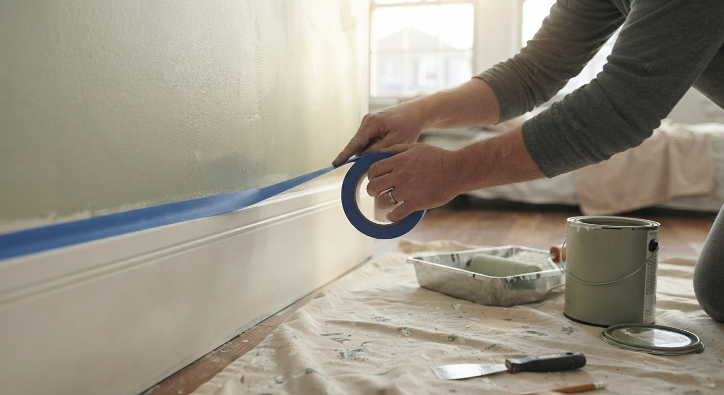
Saturday covers prep, taping, and the first coat. Most interior paints need several hours to dry before a second coat, so plan the second coat for later Saturday or Sunday morning depending on the paint you’re using and the room’s humidity.
Sunday afternoon is typically reserved for touch ups, removing tape, and cleaning brushes and rollers.
Tools and materials: paint, primer if needed, rollers, brushes, painter’s tape, drop cloths.
Estimated time: one full day of active work spread across the weekend, depending on room size and number of coats.
Difficulty: moderate for a full room, lower for a single wall.
Saturday and Sunday Project 2: Sealing Drafts Around Windows and Doors
This is a genuinely well suited weekend project because it’s fast, low mess, and has an immediate, noticeable payoff in comfort.
According to the U.S. Department of Energy’s guidance on using caulk to seal air leaks, sealing common leak points is one of the more cost effective home maintenance tasks a homeowner can do, and a full home’s worth of windows and doors can often be completed in a single day.
Tools and materials: caulking gun, caulk, weatherstripping, utility knife, cleaning cloth.
Estimated time: half a day for most homes, depending on the number of windows and doors.
Difficulty: low, though patience with clean lines matters for appearance.
Saturday and Sunday Project 3: Bathroom Fixture Refresh
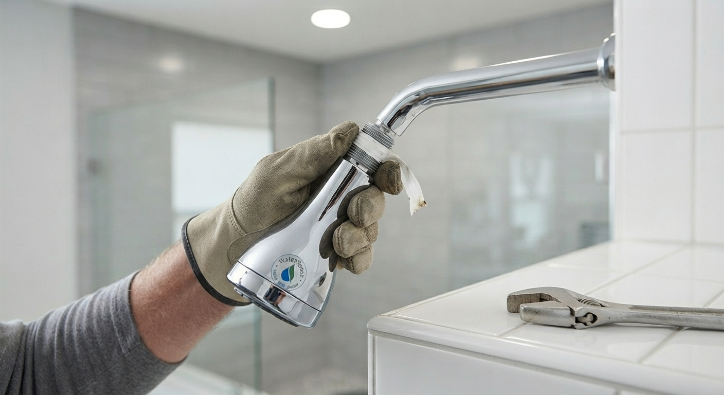
Replacing a faucet, showerhead, or towel bars is a project that fits comfortably into a single day, with the second day left free for anything else on your list.
If you’re replacing fixtures anyway, choosing models labeled under the EPA’s WaterSense program means the new fixtures are certified to perform well while using less water, which is a reasonable consideration during any fixture swap.
Tools and materials: adjustable wrench, plumber’s tape, replacement fixtures, a bucket for water shutoff.
Estimated time: two to four hours for most fixture swaps.
Difficulty: low to moderate, depending on the age and condition of existing plumbing connections.
Saturday and Sunday Project 4: Exterior Touch Ups and Gutter Cleaning
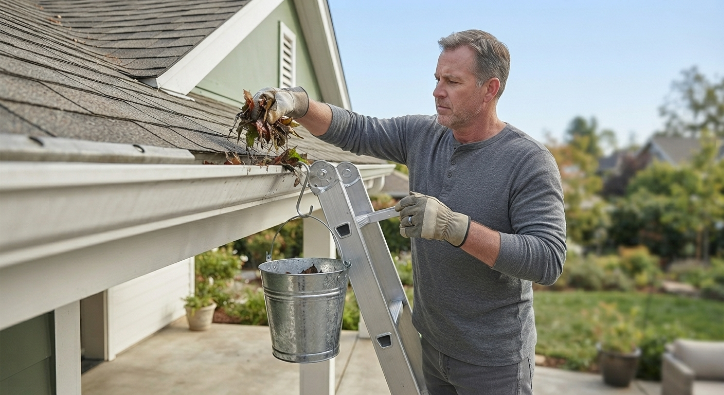
Cleaning gutters and doing a quick exterior touch up, like repainting trim or resealing an outdoor door frame, is a common weekend task, but it’s also one where safety matters more than people expect.
If a ladder is involved, following OSHA’s portable ladder safety guidance on stable footing, weight limits, and proper angle placement is worth the extra few minutes, since ladder related injuries are a leading cause of home DIY accidents.
Tools and materials: sturdy ladder, gutter scoop or garden trowel, gloves, hose, exterior paint or sealant if doing touch ups.
Estimated time: half a day, longer if gutters haven’t been cleaned in over a year.
Difficulty: moderate, primarily due to the physical and safety considerations of ladder work.
Projects That Look Like Weekend Projects but Often Aren’t
Not everything fits into two days, even when it looks like it should. Tiling a bathroom floor, refinishing hardwood floors, and installing new flooring throughout a room all involve curing, sealing, or drying times that frequently extend well past a weekend, sometimes by several days.
Kitchen cabinet painting is another common example, since proper prep, priming, and multiple thin coats with adequate dry time between each one rarely compress into two days without sacrificing the final result.
My approach with these is to either break them into multiple weekends or plan for a longer stretch of time from the start, rather than rushing the drying process to hit an artificial deadline.
[Internal Link: Small Space Home Improvement Guide]
Real Life Example: Why Buffer Time Matters
Hypothetical scenario: Consider a homeowner planning to paint a bedroom in a weekend. They budget six hours total, expecting to finish easily.
Once they start, they discover the existing wall has several nail holes and a water stain that needs to be primed before painting, adding an unplanned two hours.
Because the project didn’t have buffer time built in, the second coat gets rushed and the finish looks uneven near the ceiling.
This is a common, avoidable outcome, and it’s exactly why building in extra time for surface issues, rather than assuming a perfectly smooth wall, makes weekend projects more likely to actually finish well.
Frequently Asked Questions
What are realistic weekend home improvement projects for someone with limited DIY experience?
Sealing drafts around windows, swapping bathroom fixtures, and painting a single wall or small room are all reasonable weekend home improvement projects for someone still building confidence, since each has a clear, contained scope.
Can a full room really be painted in one weekend?
Usually yes, though it depends on the room’s condition and the number of coats needed. Rooms requiring significant wall repair or a color change from dark to light may need extra drying and coating time that pushes past two days.
What tools are needed for most weekend home improvement projects?
It varies by project, but a basic set covering a tape measure, screwdrivers, a caulking gun, an adjustable wrench, and painting supplies covers the majority of common weekend projects.
How much time should I budget for a weekend project beyond the estimated hours?
Adding roughly twenty percent extra time as a buffer is a reasonable habit, since most projects encounter at least one unexpected issue, from wall imperfections to mismatched hardware.
Which projects should not be attempted as weekend home improvement projects?
Flooring installation, floor refinishing, and full cabinet painting typically involve curing or drying times that extend beyond two days, along with electrical, structural, or major plumbing work that generally requires professional involvement regardless of timeline.
Do weekend home improvement projects require special safety precautions?
Some do. Ladder use for exterior or high wall work carries real fall risk, and following basic ladder safety guidance is worth the extra time it takes.
Is it realistic to complete a bathroom fixture upgrade in a weekend?
Yes, most fixture swaps like faucets, showerheads, and towel bars take a few hours and comfortably fit into one day of a weekend, leaving the second day open for other tasks.
Conclusion
Weekend home improvement projects work best when the timeline is planned honestly rather than optimistically.
In my research and in the projects outlined here, the difference between a weekend that goes smoothly and one that runs into Monday almost always comes down to buffer time and realistic expectations about drying, curing, and unexpected surface issues.
If you’re planning your next two day project, pick something with a contained scope, prepare on Friday evening if you can, and leave room in your schedule for the small surprises that come with almost every home.
That’s the version of weekend home improvement projects that actually gets finished on time.