Budget Home Makeover Ideas That Don’t Look or Feel Cheap
I usually get skeptical when an article promises a total home transformation for almost nothing, because that’s rarely true.
What is true is that a limited budget doesn’t have to mean a limited result. My approach to budget home makeover ideas is about prioritization: spend where the visual impact is highest, and skip the changes that cost money without changing much.
That’s a different mindset from simply looking for the cheapest option in every category.
Cheap Because It Saves Money, Not Because It Cuts Corners
There’s an important distinction I try to keep in mind throughout this article. Cheap because it saves money means choosing a $20 can of paint over a $2,000 renovation to achieve a similar visual shift.
Cheap because it compromises quality or safety means buying an unrated extension cord or skipping proper surface prep to save a few dollars. The first is smart budgeting. The second creates problems that cost more to fix later. Keep that distinction in mind as you go room by room.
[Internal Link: Budget Home Improvement Ideas]
Where Paint Fits Into a Budget Makeover
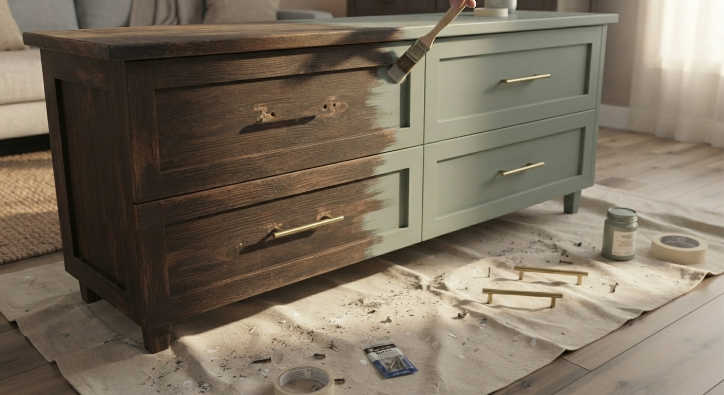
Paint remains the most affordable way to change a room’s entire feel. A gallon covers a meaningful amount of wall space for a relatively small cost compared to almost any other visual upgrade.
My approach is to prioritize one accent wall or a single small room over trying to repaint an entire home at once, which spreads a limited budget too thin to finish properly.
Buying a quality primer, even on a tight budget, prevents the need to repaint sooner than expected, which actually saves money over time.
Rearranging What You Already Own
This is the most overlooked budget makeover idea, and it costs nothing. Moving furniture into a new layout, swapping items between rooms, or simply removing excess pieces can change how a space feels without a single purchase.
I find it helpful to physically clear a room and reintroduce furniture piece by piece, since it’s easy to keep clutter simply because it was already there.
Affordable Lighting Upgrades
Lighting punches above its cost when it comes to budget makeovers. Swapping a few bulbs for warmer toned LED options is inexpensive and makes a noticeable difference in how a room feels in the evening.
The Department of Energy notes that switching to efficient LED lighting also reduces electricity costs over time, which means this particular upgrade pays for itself instead of being a one time expense.
Secondhand lamps are another affordable option. A worn lamp base can often be improved dramatically with a new shade, which costs far less than replacing the entire fixture.
Textiles: Small Cost, Noticeable Impact
New throw pillows, a budget friendly area rug, or updated curtains change a room’s texture and color story without major spending.
I usually look at clearance sections and off season sales for textiles, since these items rotate frequently and rarely need to match a specific trend cycle.
Repurposing and Secondhand Finds
Buying secondhand furniture and repurposing existing pieces is both budget friendly and increasingly practical from a waste standpoint.
The Environmental Protection Agency’s data on furniture and furnishings in the municipal waste stream shows how much furniture ends up discarded each year rather than reused, which is part of why secondhand shopping has become a more visible option through local listings, thrift stores, and estate sales.
A dated dresser with a fresh coat of paint and new hardware can look intentional rather than secondhand, often for a fraction of what a comparable new piece would cost.
DIY Decorative Updates
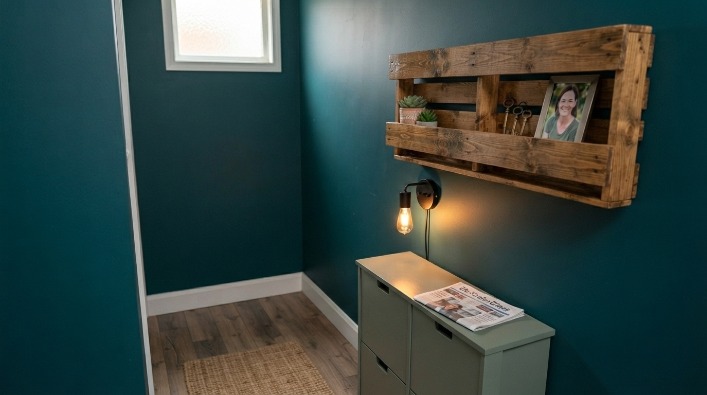
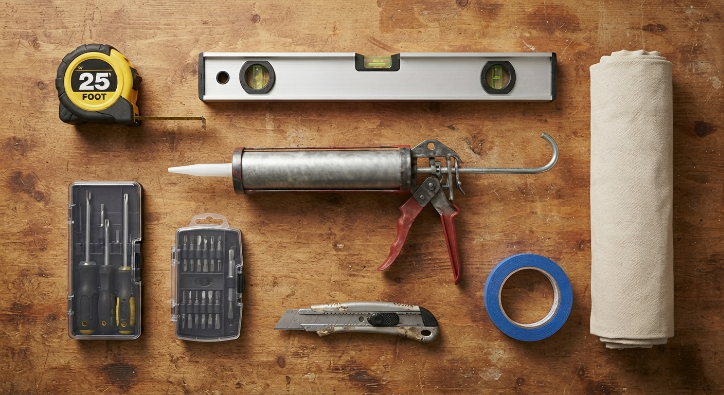
Simple DIY projects stretch a budget further than store bought decor. Framing inexpensive prints, painting an old mirror frame, or building basic floating shelves from a single board are approachable projects that don’t require advanced tools.
These updates work best when they support the room’s overall direction rather than standing alone as disconnected accents.
Room by Room Budget Ideas
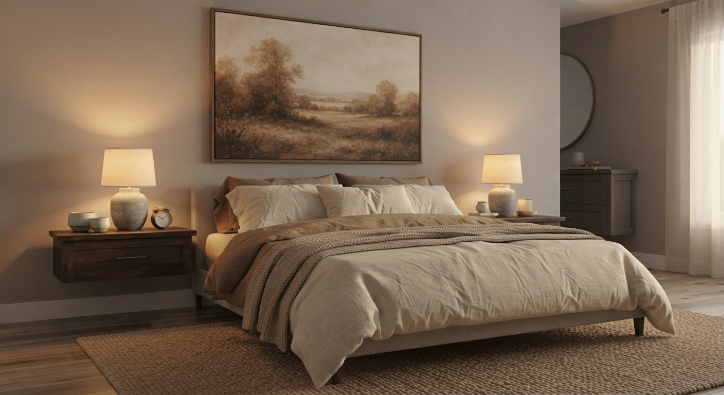
In the living room, prioritize an area rug and lighting before decor accessories. In the bedroom, new bedding and a headboard alternative like a large piece of fabric or artwork behind the bed create impact for relatively little cost.
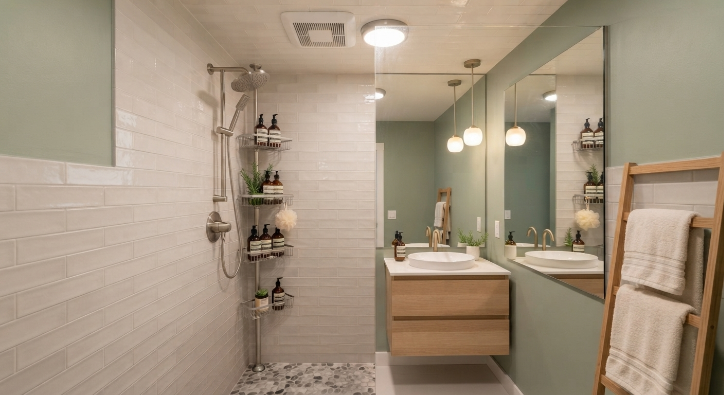
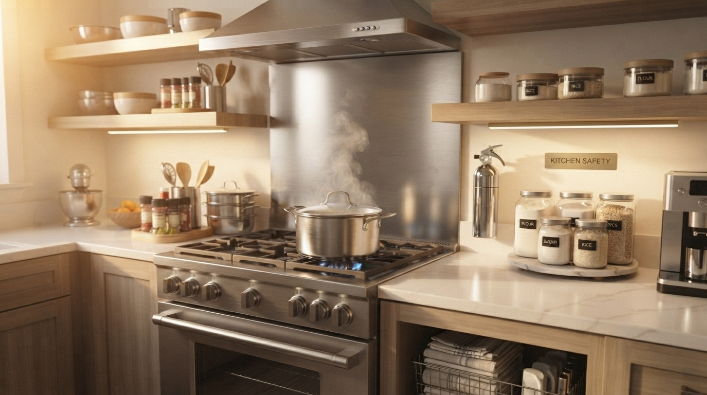
In the kitchen, hardware swaps and open shelving outperform full cabinet replacement on a limited budget. In the bathroom, new towels and a shower curtain refresh the room instantly.
[Internal Link: Small Living Room Improvement Guide]
Prioritizing Improvements
My approach is to rank potential changes by visual impact per dollar rather than by what feels most exciting to buy.
Paint and lighting almost always outperform decorative accessories on this scale, which is why they belong at the top of a budget list rather than the bottom.
Where Not to Cut Costs
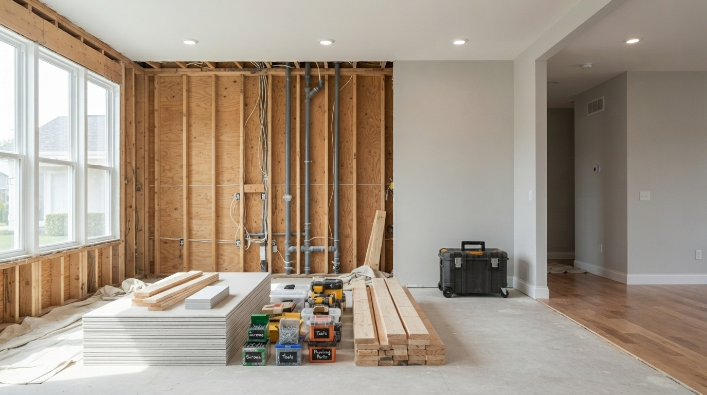
Some things aren’t worth cutting corners on even with a tight budget. Electrical work, structural repairs, and anything involving safety should never be the place to save money.
If a budget makeover project starts to involve wiring, gas lines, or load bearing changes, that’s a sign the project has shifted from decor into renovation territory, and it deserves proper professional attention rather than a discount shortcut.
Real Life Example: A Hypothetical Budget Living Room Refresh
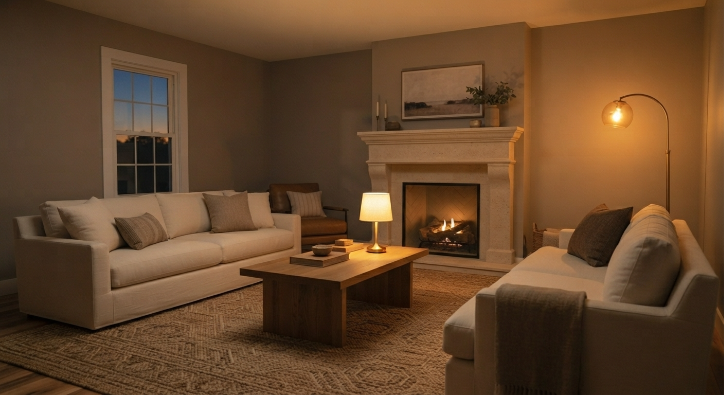
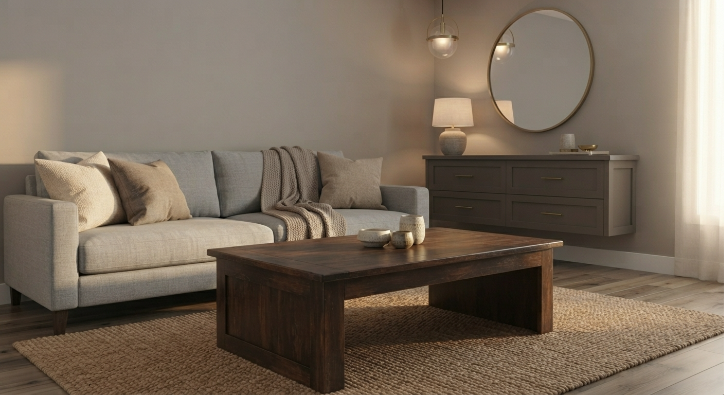
Picture a hypothetical homeowner working with a modest budget for a living room refresh. They repaint one accent wall, buy a secondhand coffee table and refinish it themselves, add an affordable area rug from a clearance sale, swap a few bulbs for warmer LED lighting, and rearrange the existing sofa and chairs into a more conversational layout.
Nothing here required a large single purchase, yet the combined effect noticeably changes the room. This kind of prioritized, layered approach is, in my research, what allows a limited budget to produce a result that doesn’t look limited at all.
Avoiding False Economy
A false economy happens when a cheap choice ends up costing more later. Buying low quality paint that needs a third coat, or a rug that wears out within a year, often costs more in the long run than spending slightly more upfront on a durable option. Budget conscious doesn’t mean lowest price in every category. It means spending intentionally.
FAQs
What are the most affordable ways to makeover a home?
Paint, lighting changes, and rearranging existing furniture typically deliver the most visible change for the least amount of money.
Is a budget home makeover actually noticeable?
Yes, when changes are prioritized and layered together rather than scattered randomly, a budget makeover can look intentional and complete.
Should I buy secondhand furniture for a budget makeover?
Secondhand furniture can be a smart, affordable option, especially when refinished or paired with new hardware, as long as the piece is structurally sound.
How do I prioritize spending during a budget home makeover?
Focus on paint and lighting first, since they typically offer the highest visual impact relative to cost, before moving to decor and accessories.
What should I avoid cutting costs on during a home makeover?
Anything involving electrical work, structural integrity, or safety should never be a place to save money, even on a tight budget.
Can a budget home makeover include DIY projects?
Yes, simple DIY projects like framing art, refinishing furniture, or building basic shelving stretch a budget further than buying finished decor.
How much should a budget home makeover cost?
It varies widely depending on scope and room size, but the emphasis is on spending less than a full renovation while still achieving noticeable change.
A Practical Next Step
Budget home makeover ideas work best when they’re chosen deliberately rather than assembled at random.
Start with paint and lighting, add rearranged or secondhand furniture, layer in affordable textiles, and save money exactly where it makes sense to, without compromising on safety or durability. A modest budget, spent with intention, can still produce a home that feels genuinely refreshed.