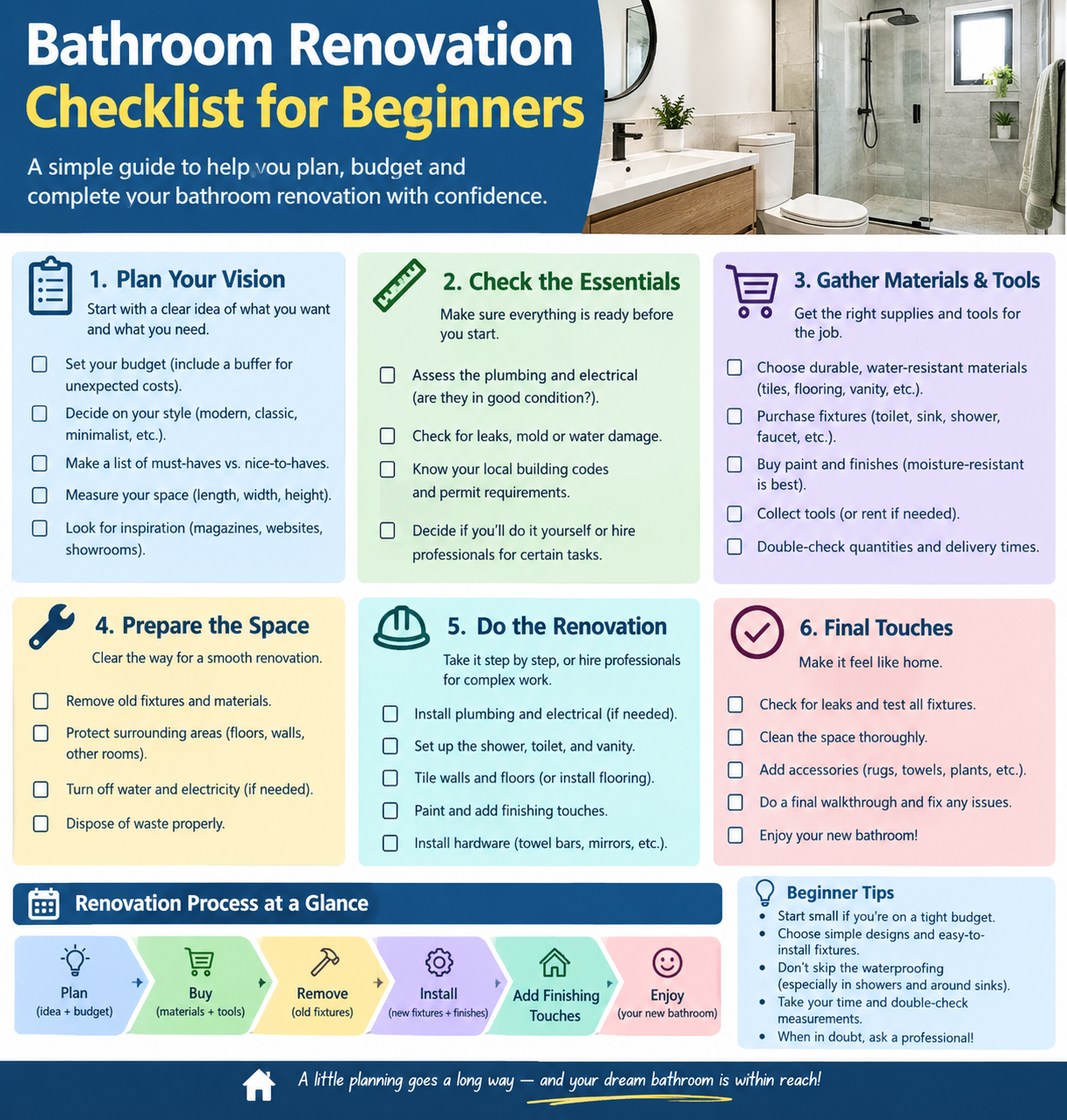
Bathroom Renovation Checklist for Beginners
Renovating a bathroom for the first time can feel like a big project. There are many things to think about, from choosing tiles and fixtures to setting a budget and deciding what work needs to be done by a professional. Without a plan, it is easy to forget important details or spend more money than expected.
The good news is that you do not have to figure everything out at once. A simple checklist can help you organize the project and make the renovation easier to manage.
Whether you are updating a small bathroom or planning a complete makeover, use the following checklist to guide you through the process.
1. Decide Why You Are Renovating
Before buying anything, identify the main reason for the renovation. Are you trying to improve the appearance, fix damage, create more storage, improve functionality, or update an outdated bathroom?
Knowing your priorities will help you decide where your money should go. You may find that some features only need a small improvement rather than complete replacement.
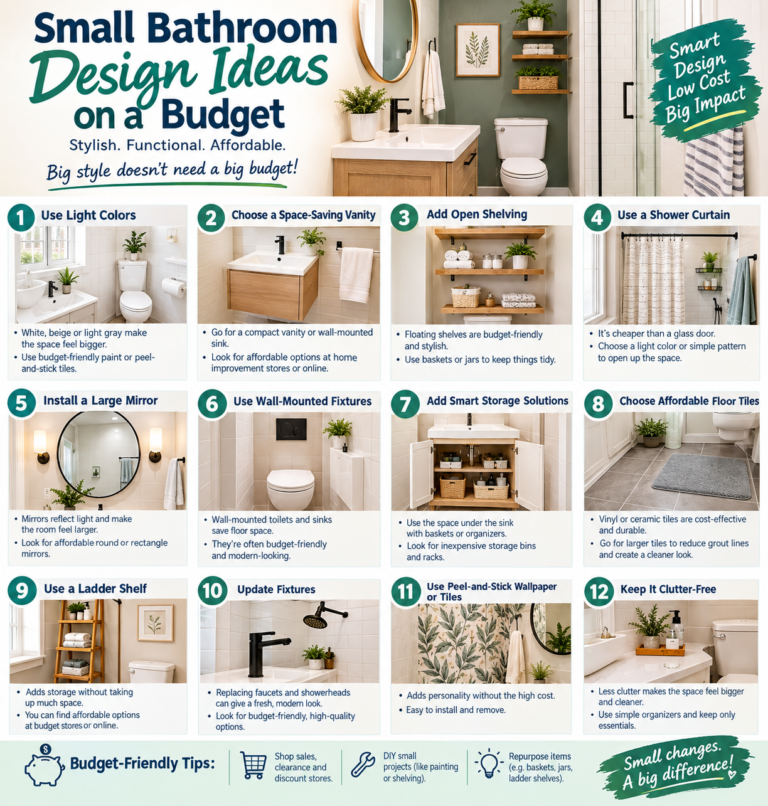
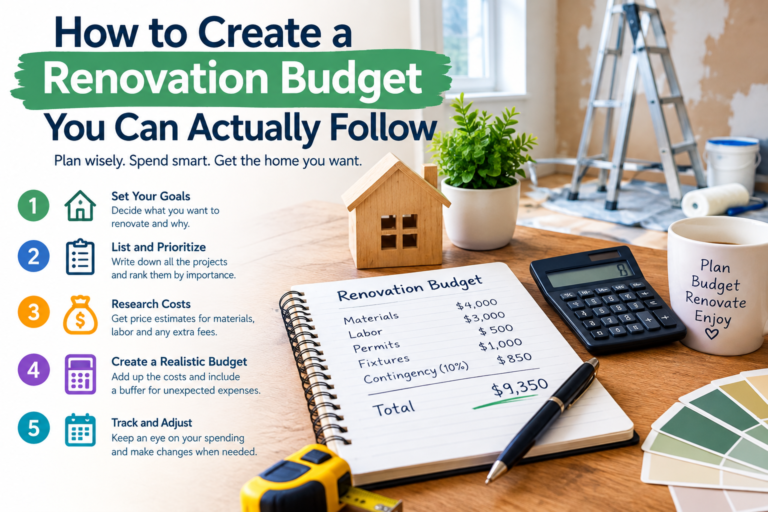
2. Set Your Budget
A realistic budget should be one of the first things on your checklist. Write down the major expenses you expect, including materials, fixtures, labor, delivery, and waste removal.
It is also helpful to keep some money aside for unexpected expenses. Once walls or floors are opened, problems such as damaged plumbing or moisture-related issues may sometimes be discovered.
3. Measure the Space
Take accurate measurements of the bathroom before purchasing new products. Measure the walls, floor, doors, windows, and available spaces for the toilet, vanity, shower, bathtub, and other fixtures.
Keep these measurements with you when shopping. They can prevent you from purchasing something that does not fit properly.
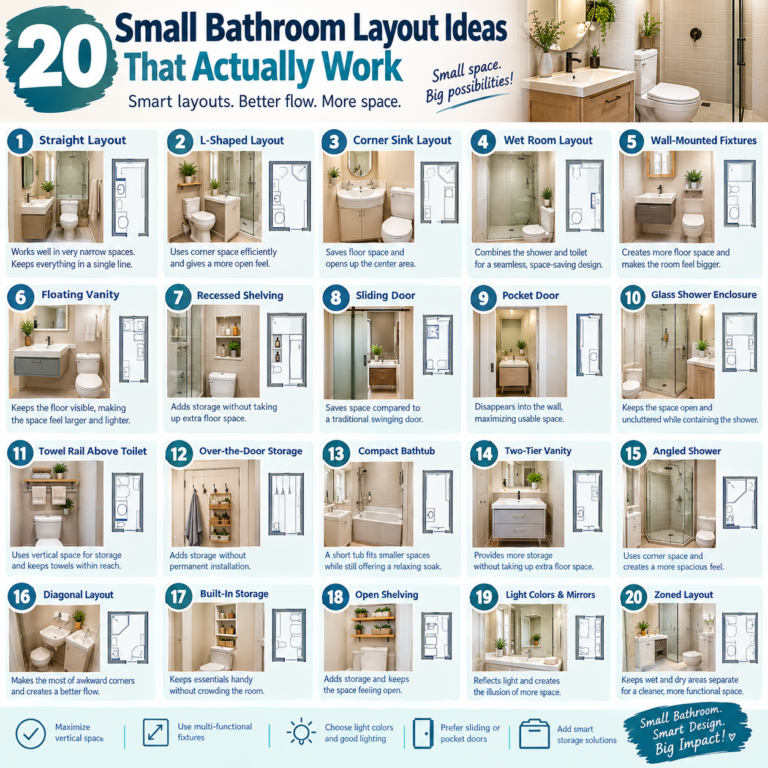
4. Decide Whether to Keep the Existing Layout
Think carefully before moving major plumbing fixtures. Relocating a toilet, shower, sink, or bathtub can increase the cost and complexity of the renovation.
If the current layout works well, keeping it may allow you to spend more of your budget on visible improvements such as flooring, lighting, fixtures, storage, and finishes.
5. Choose a Design and Color Scheme
Decide what style you want before buying materials. You might prefer a modern, minimalist, traditional, natural, or simple contemporary bathroom.
Choose a small number of colors that work well together. A consistent color scheme can make the bathroom look more polished without requiring expensive decorations.
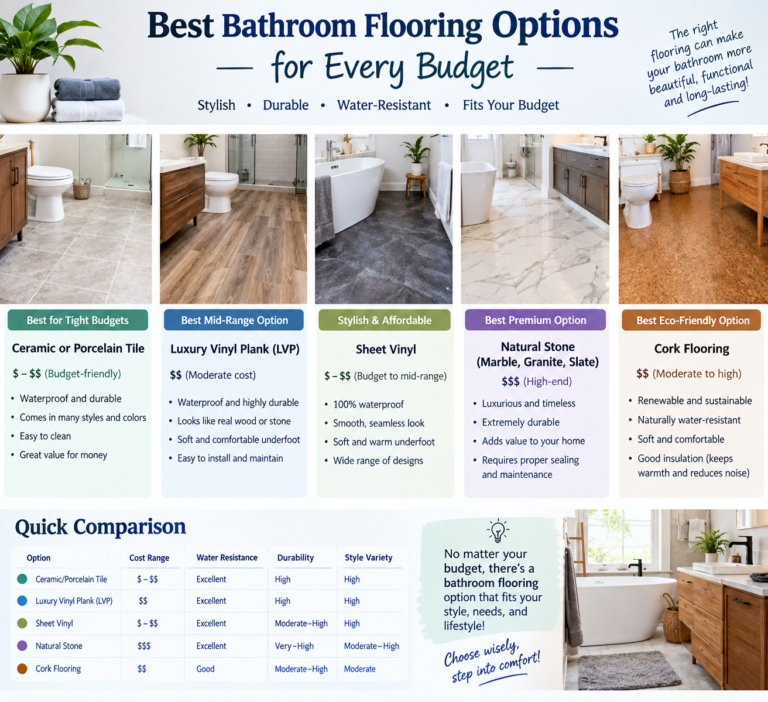
6. Choose Your Flooring and Wall Materials
Select flooring and wall finishes that are appropriate for bathroom conditions. Consider moisture exposure, durability, cleaning requirements, appearance, and cost.
For flooring, pay particular attention to whether the surface is suitable for wet areas and provides appropriate traction.
Order samples when possible so you can see how the materials look under your bathroom’s lighting.
7. Plan the Shower or Bathtub
Decide whether you want a shower, bathtub, or combination of both. Think about how much space you have and how the area will be used.
If you are replacing an existing shower or bathtub, check the dimensions and plumbing requirements before purchasing the new fixture.
8. Choose the Vanity and Sink
The vanity is often one of the most noticeable features in a bathroom. Consider its size, storage capacity, material, style, and ease of maintenance.
Make sure the vanity fits comfortably without blocking doors, drawers, or walkways. Check the sink and faucet compatibility before making your final purchase.
9. Plan Bathroom Storage
Make a list of the things you normally keep in your bathroom. This can include toiletries, towels, cleaning products, toilet paper, and personal-care items.
Use that list to determine how much storage you need. Cabinets, vanity drawers, shelves, baskets, and wall-mounted storage can all help keep the space organized.
10. Check Ventilation
Good ventilation helps manage moisture and can make the bathroom more comfortable. Check whether your existing ventilation is adequate before beginning the renovation.
If you are installing or modifying an exhaust fan, window, or other ventilation system, make sure the solution is appropriate for your bathroom.
11. Plan the Lighting
Do not leave lighting until the very end. Decide where you need light for general bathroom use and where additional lighting would be helpful, such as around the mirror and vanity.
If electrical work is required, use an appropriately qualified professional and follow applicable safety requirements.
12. Check Plumbing
Before installing new fixtures, inspect the existing plumbing where practical. Look for signs of leaks, corrosion, poor drainage, or other problems.
Fixing plumbing issues before installing new finishes can help prevent damage to your newly renovated bathroom.
13. Plan Waterproofing
Waterproofing and moisture protection are especially important in areas that receive regular water exposure, such as showers and bathtub surrounds.
Use suitable materials and follow the manufacturer’s instructions. Do not simply cover existing moisture damage without finding and addressing the underlying cause.
14. Create a Work Schedule
Make a simple list of the order in which the renovation tasks need to happen. Depending on the project, this may include demolition, plumbing, electrical work, surface preparation, waterproofing, flooring, wall finishes, fixture installation, lighting, and final decoration.
A schedule helps you understand what needs to happen first and can make the project easier to coordinate.
15. Decide What You Can DIY
Some bathroom improvements are suitable for experienced DIY homeowners, such as painting, installing certain accessories, or assembling some furniture.
Other tasks can require specialized knowledge, including electrical work, complex plumbing, waterproofing, or structural changes. Be realistic about your skills and seek professional help where appropriate.
16. Buy Materials Before Work Begins
Where possible, make sure essential materials and fixtures are available before starting the renovation. Delayed deliveries can leave your bathroom unfinished for longer than expected.
Keep receipts, product information, installation instructions, and warranties together so they are easy to find when needed.
17. Protect the Rest of Your Home
Renovation work can create dust, dirt, and debris. Protect nearby floors, furniture, walls, and other areas before work begins.
If you live in the home during the renovation, plan how you will manage while the bathroom is unavailable.
18. Check the Installation
As the renovation progresses, do not be afraid to check the work. Make sure fixtures are properly positioned, surfaces are finished correctly, and plumbing connections are secure.
If you have hired professionals, communicate any concerns as soon as you notice them rather than waiting until the project is finished.
19. Test Everything
Before calling the renovation complete, test the bathroom carefully. Turn on faucets and showers, flush the toilet, check drainage, inspect visible plumbing connections, and look for leaks.
Open and close cabinets and doors and make sure everything works as expected.
20. Complete the Final Cleanup
The final step is to clean the entire bathroom thoroughly. Remove construction dust, clean the fixtures, wash the floors, and organize your storage.
Add towels, a bath mat, a mirror, or a few simple accessories to finish the space.
Final Bathroom Renovation Checklist
Before considering your project complete, ask yourself:
- Have I stayed within my budget?
- Are all fixtures installed correctly?
- Is the plumbing working properly?
- Is the bathroom adequately ventilated?
- Is the lighting sufficient?
- Are wet areas properly protected?
- Does the flooring suit a bathroom environment?
- Is there enough storage?
- Are doors and drawers opening comfortably?
- Are there any leaks or drainage problems?
- Have I tested all faucets, showers, and the toilet?
- Is everything clean and ready to use?
Final Thoughts
A bathroom renovation becomes much easier when you break it into manageable steps. Beginners do not need to know everything before starting, but they should take time to plan the important details.
Set a budget, measure carefully, choose suitable materials, think about storage and ventilation, and decide which tasks require professional help. Most importantly, avoid rushing decisions simply because you want the renovation finished quickly.
With a clear checklist and realistic expectations, you can approach your first bathroom renovation with greater confidence and create a space that is practical, comfortable, and attractive.