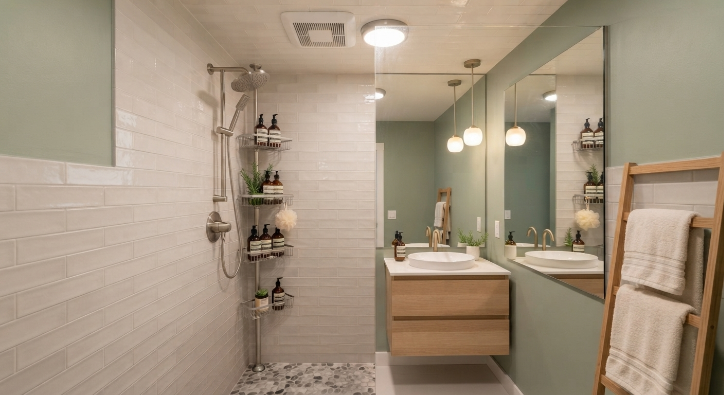
Bathroom Makeover Ideas on a Budget: A Real Refresh Without a Big Spend
A bathroom makeover on a budget is a specific kind of project. You are not remodeling. You are not replacing the tub or moving plumbing.
You want the room to look and feel noticeably different, using paint, hardware, lighting, and smart reuse of what is already there.
That is the entire focus of this guide: how to give a bathroom a real, visible refresh while keeping spending under control.
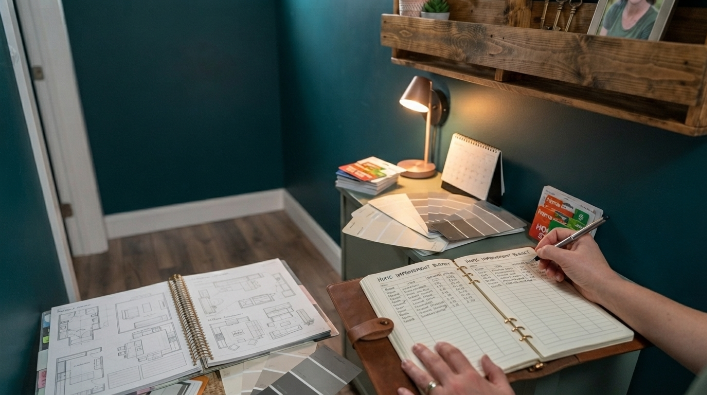
My approach to a budget bathroom makeover always starts with a walk through the room and an honest list of what is actually working versus what is just outdated in appearance.
Plenty of fixtures that look tired are still functionally fine, and that distinction saves a lot of money.
Affordable Paint Updates
Paint is almost always the highest impact, lowest cost change available in a bathroom makeover.
A fresh coat on the walls, and sometimes the ceiling, can transform a room that otherwise has good bones but a dated color scheme.
A few practical notes:
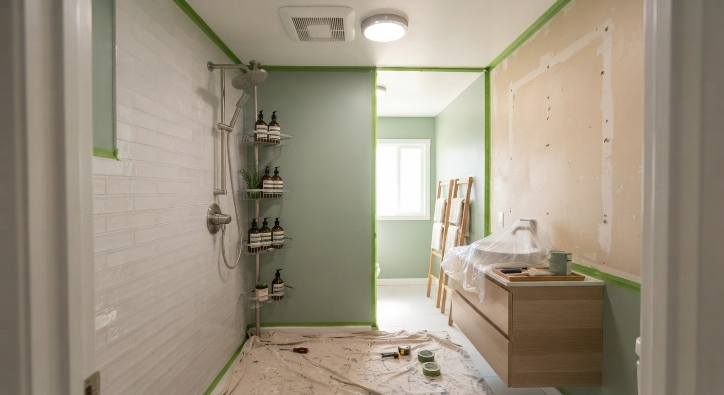
- Use a paint labeled for high moisture areas, since bathrooms need mildew resistant formulas more than most other rooms
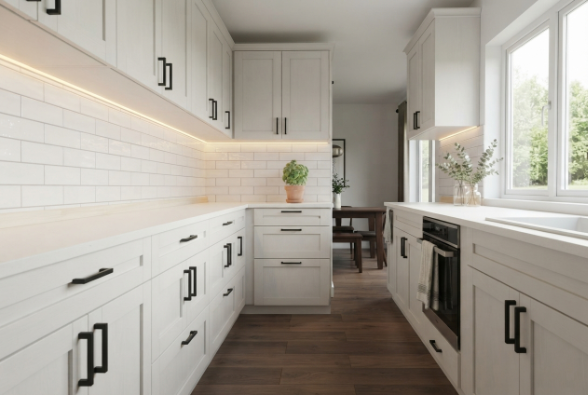
- Cabinets can often be painted rather than replaced, which changes the entire feel of the vanity for a fraction of replacement cost
- Ceiling paint is easy to skip but often makes a noticeable difference, especially in a small bathroom with limited wall space
If your home was built before 1978, there is one safety consideration worth taking seriously before any paint or surface work begins.
The EPA’s guidance on lead safe renovations for do it yourselfers recommends assuming older painted surfaces may contain lead based paint and using lead safe practices, such as avoiding dry sanding, whenever you disturb existing paint layers.
This is a case where cutting a corner is genuinely not worth the risk, particularly in homes with young children.
Hardware and Mirror Updates
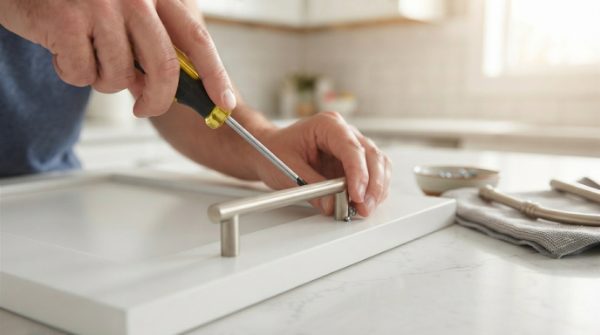
Swapping hardware is one of the most satisfying low cost bathroom makeover ideas because the visual return is disproportionate to the cost.
Cabinet pulls, towel bars, toilet paper holders, and faucet handles can all be updated without touching plumbing lines in most cases.
A new mirror, or simply a mirror frame kit installed around an existing builder grade mirror, can change the entire character of a vanity area. This is a project many homeowners can do themselves in an afternoon. Also read DIY Home Renovation Ideas: What You Can Actually Do Yourself.
Lighting Improvements
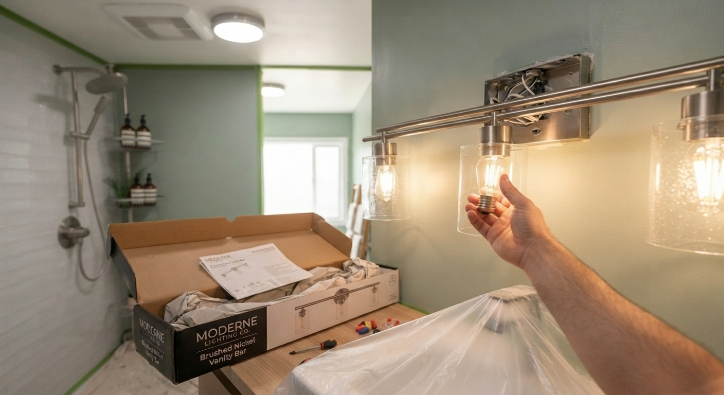
Old bathroom light fixtures tend to age poorly, both in style and in the quality of light they produce. Replacing a dated fixture is usually straightforward and affordable, and the payoff is immediate since lighting affects how the entire room reads, day and night.
Beyond the fixture itself, switching old incandescent bulbs to LED bulbs is a small change with a real payoff.
The Department of Energy notes that switching to energy efficient LED lighting can meaningfully lower a household’s energy costs over time compared to older bulb types, which makes it one of the rare upgrades that pays for itself while also improving the room’s appearance.
Shower Curtain and Textile Changes
Textiles are one of the most overlooked budget bathroom makeover tools. A new shower curtain, bath mat, and set of towels in a coordinated color palette can shift the entire feel of the room for relatively little money.
This is also one of the easiest changes to reverse if you decide you do not like it, which makes it a low risk place to experiment with color or pattern.
Storage Improvements Without New Cabinetry
You do not need new cabinetry to improve bathroom storage on a budget. Consider:
- Affordable wall shelving units from home goods retailers
- Storage baskets that slide into existing open shelving
- Over the toilet storage units, which are widely available at low price points
- Drawer organizers inside an existing vanity to make better use of the space you already have
Reusing and Refreshing Existing Elements
The core discipline of a budget makeover is reusing what already works. Before buying anything new, ask whether the existing item can be cleaned, refinished, or repositioned. A dated but structurally sound vanity can often be painted rather than replaced.
Grout can be cleaned or re-colored rather than retiled. A shower door track that looks grimy can frequently be restored with a deep clean rather than replaced.
High Impact, Low Cost Improvements
If you only have room in the budget for a few changes, prioritize:
- Paint (walls and cabinets)
- Hardware (pulls, faucet handles, towel bars)
- Lighting (fixture and bulb type)
- A large or updated mirror
- Coordinated textiles (towels, bath mat, shower curtain)
These five categories touch nearly every visible surface in the room without requiring plumbing or electrical work beyond a simple fixture swap.
Where to Save and Where Not to Cut Costs
This distinction matters more than most budget guides admit. Saving money intelligently means choosing a mid range paint over the cheapest option that will need a second coat, or buying hardware from a reputable retailer rather than the least expensive listing you can find.
Choosing a cheap option that creates safety, durability, or maintenance problems is different, and it usually costs more in the long run.
Areas where it is worth spending a bit more:
- Moisture resistant paint formulated for bathrooms
- Any fixture that touches water lines, even during a simple swap, to avoid leaks
- Ventilation, since a poorly maintained exhaust fan can lead to mold problems that cost far more to fix later
Areas where budget options are usually fine:
- Decorative hardware and towel bars
- Shower curtains, bath mats, and other textiles
- Storage baskets and organizational accessories
- Wall art and small decorative touches
Practical Homeowner Scenario
Here is a hypothetical example that illustrates a realistic budget makeover. A homeowner has a functional but visually tired bathroom: beige walls, a builder grade mirror, worn cabinet hardware, and a single outdated light fixture.
Over a single weekend, they repaint the walls a soft, updated neutral, install a mirror frame kit, swap all cabinet hardware, and replace the light fixture with a fixture that uses warm white LED bulbs.
They finish with new towels and a coordinated bath mat. The total cost stays modest because no plumbing or structural work is involved, yet the room looks substantially refreshed.
Final Thoughts
A bathroom makeover on a budget is really an exercise in prioritization: paint, hardware, lighting, and textiles do most of the visual work, while the money you do spend should go toward the few elements, like moisture resistant paint and proper ventilation, where cutting corners causes real problems later.
My approach is always to reuse what is structurally sound and spend selectively on what actually changes how the room looks and feels day to day.
A modest budget, applied to the right combination of changes, can genuinely transform how a bathroom feels to use.
Frequently Asked Questions
What are the cheapest bathroom makeover ideas on a budget?
Paint, hardware swaps, and textile updates like towels and a shower curtain typically offer the most visible change for the least money.
Can I do a bathroom makeover on a budget myself?
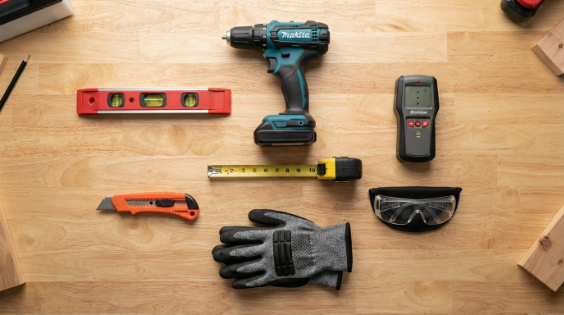
Many of the changes described here, including painting, hardware swaps, and lighting fixture replacement, are commonly done as DIY projects, though any work involving water lines should be approached carefully or handled by a professional if you are unsure.
How is a bathroom makeover different from a remodel?
A makeover generally refreshes appearance and feel through cosmetic changes, while a remodel typically involves layout changes, new cabinetry, or plumbing and electrical work.
Is it safe to paint an older bathroom myself?
If your home was built before 1978, it is worth researching lead safe practices before disturbing old paint, particularly if sanding is involved, since older paint layers may contain lead.
What should I avoid cutting costs on during a bathroom makeover?
Moisture resistant paint, anything connected to water lines, and bathroom ventilation are areas where a cheaper shortcut can create bigger problems later.
Do LED lighting upgrades really make a difference in a small bathroom?
Yes, both in energy savings over time and in the immediate visual improvement of the room, since older bulbs and fixtures often cast a duller or less flattering light.
How much should a bathroom makeover on a budget typically cost?
Costs vary widely depending on location, materials chosen, and whether the work is DIY or professionally done, so it is worth pricing individual elements like paint, hardware, and fixtures separately rather than assuming a fixed total.