Bathroom Renovation Mistakes to Avoid
Renovating a bathroom can be an exciting project. A fresh bathroom can make your home feel cleaner, more comfortable, and more modern. However, bathroom renovations can also become stressful and expensive when important details are overlooked. What starts as a simple upgrade can quickly turn into a costly project because of poor planning, unsuitable materials, or unexpected repairs.
The good news is that many common bathroom renovation problems are completely avoidable. Whether you are renovating a small bathroom on a limited budget or planning a larger makeover, understanding the mistakes people commonly make can help you make better decisions.
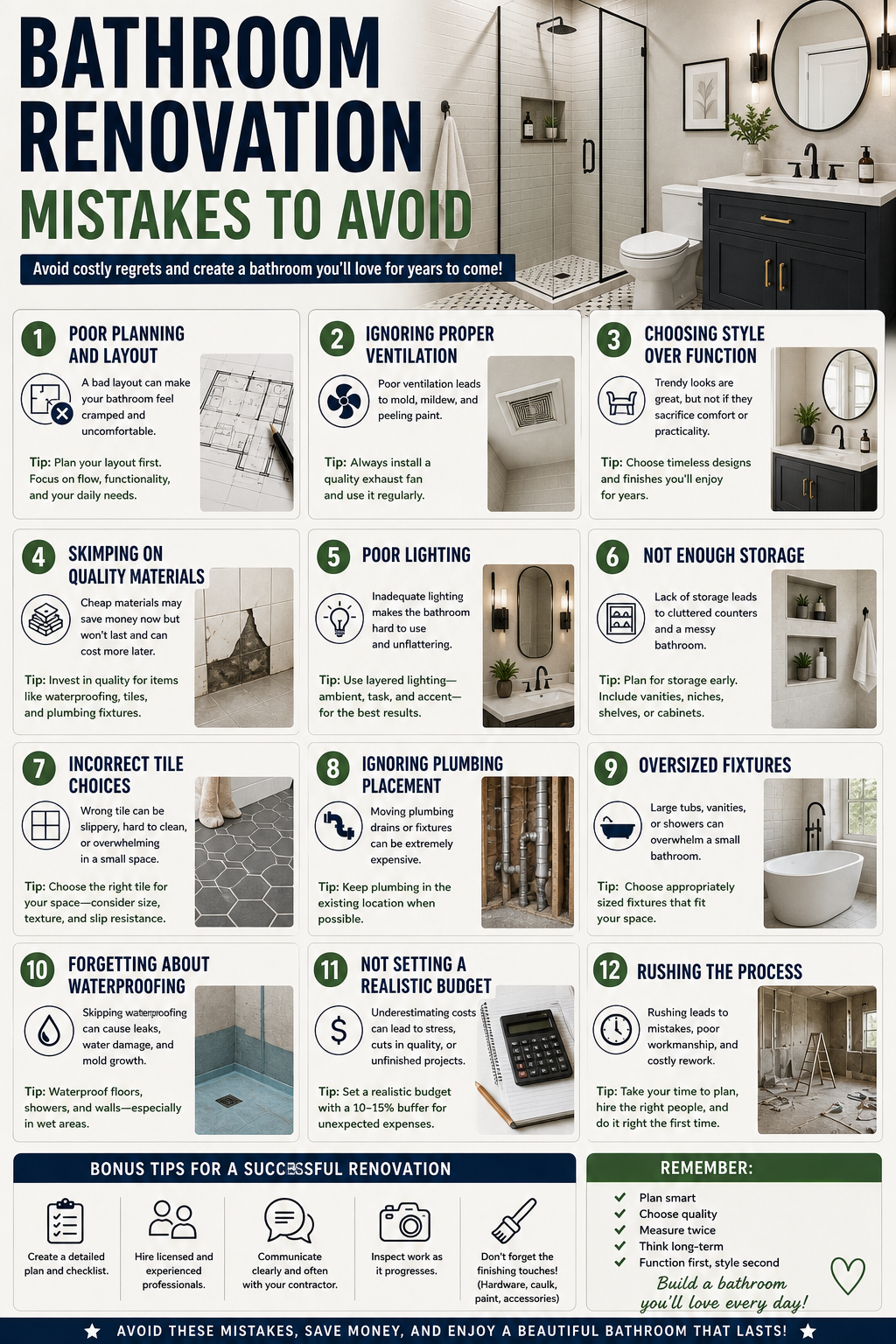
Here are 15 legitimate bathroom renovation mistakes to avoid.
1. Starting Without a Clear Budget
One of the biggest mistakes is beginning a renovation without knowing how much you can realistically spend. It is easy to get carried away when shopping for beautiful tiles, modern faucets, stylish vanities, and other fixtures.
Before starting, create a basic budget that includes materials, labor, delivery, and other expenses. It is also wise to keep some money aside for unexpected costs. This gives you flexibility if something needs to be repaired or replaced during the renovation.
2. Changing the Plumbing Layout Unnecessarily
Moving a toilet, shower, sink, or bathtub may seem like a simple design change, but relocating plumbing can increase both labor and material costs.
If your existing layout works well, consider keeping the major plumbing points where they are. You can still achieve a completely different appearance by changing the finishes, fixtures, lighting, storage, and accessories.
3. Choosing Looks Over Practicality
A bathroom should look attractive, but appearance should not be the only consideration. A beautiful bathroom can become frustrating if there is not enough storage, the shower door is difficult to open, or there is little space to move around.
Think about how the bathroom will actually be used every day. Choose designs that combine style with comfort and functionality.
4. Ignoring Proper Ventilation
Bathrooms naturally produce a lot of moisture. Without proper ventilation, that moisture can remain trapped and contribute to mold, mildew, unpleasant smells, and damage to certain surfaces.
Make ventilation part of your renovation plan. Depending on the bathroom, this may involve improving an existing window, installing an exhaust fan, or using another appropriate ventilation solution.
5. Using the Wrong Materials
Not every material is suitable for a bathroom. The room is regularly exposed to water, humidity, and temperature changes.
When choosing flooring, paint, cabinets, countertops, and other finishes, make sure they are appropriate for bathroom conditions. Choosing materials simply because they are inexpensive can result in premature damage and additional replacement costs.
6. Forgetting About Waterproofing
Waterproofing is one of the areas where cutting corners can become expensive later. Water that gets behind walls, under flooring, or around wet areas can cause serious damage over time.
Pay particular attention to areas around showers, bathtubs, sinks, and other places that regularly come into contact with water. Proper installation and sealing can help protect the bathroom from moisture-related problems.
7. Poor Lighting Planning
Lighting can completely change the atmosphere of a bathroom. Unfortunately, many homeowners only think about lighting after everything else has been installed.
Consider how much light you need around the vanity, mirror, shower, and general bathroom area. A combination of suitable lighting sources can make the room more comfortable and practical.
8. Not Planning Enough Storage
A bathroom without enough storage can quickly become cluttered. Towels, toiletries, cleaning products, and personal-care items need somewhere to go.
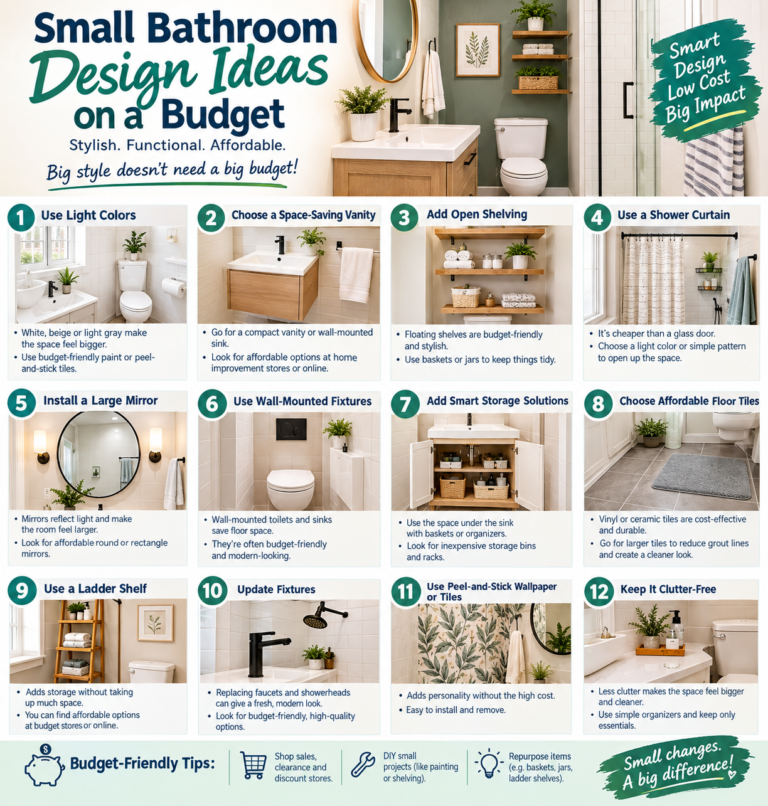
Before renovating, think about your storage requirements. Wall-mounted cabinets, vanity storage, shelves, baskets, and recessed storage can all help keep the room organized without taking up unnecessary floor space.
9. Buying Fixtures Before Measuring
Buying a vanity, toilet, bathtub, or shower enclosure before measuring the room can create major problems. Even a small difference in dimensions can affect whether a fixture fits properly.
Measure the available space carefully and consider doors, windows, plumbing connections, and walking areas. If possible, check the manufacturer’s dimensions before purchasing anything.
10. Choosing Slippery Flooring
Bathroom floors regularly become wet, which makes flooring selection particularly important. Choosing a surface based entirely on appearance can create practical problems.
Look for flooring that is designed for bathroom environments and provides suitable traction. Also consider how easy the material will be to clean and maintain.
11. Neglecting the Mirror
A mirror is more than a decorative feature. It is an important part of most bathrooms and can affect both functionality and the overall appearance of the room.
Choose a mirror that is appropriately sized for the vanity and available wall space. If possible, position it where it works well with the bathroom lighting.
12. Choosing Trends Without Thinking Long-Term
Bathroom trends can be appealing, but not every popular style will remain attractive or practical for years. Extremely bold colors, unusual fixtures, or highly specific designs may eventually feel outdated.
You do not have to avoid modern styles completely. Instead, consider using timeless finishes for larger and more expensive elements while adding trendy touches through accessories that are easier and cheaper to replace.
13. Trying to Do Everything Yourself
DIY work can save money when you have the right skills and experience. However, attempting complicated electrical, plumbing, waterproofing, or structural work without the necessary knowledge can create safety issues and expensive repairs.
Know your limits. For specialized work, using a properly qualified professional can be a worthwhile investment.
14. Forgetting About Maintenance
A bathroom renovation should not only look good on the day it is completed. You also need to think about how easy the bathroom will be to maintain.
Consider how easily surfaces can be cleaned, whether grout will require regular attention, and how accessible plumbing fixtures are for future maintenance. Practical choices can save you time and money over the long term.
15. Rushing the Renovation
Finally, avoid rushing the entire project. When homeowners are eager to see the finished bathroom, they may make quick decisions or skip important steps.
Take time to plan the layout, compare materials, measure the space, set a budget, and organize the work. A little extra planning at the beginning can prevent many problems later.
Final Thoughts
A bathroom renovation does not have to be complicated or unnecessarily expensive. Most problems can be reduced by planning carefully and making decisions based on both appearance and functionality.
Avoiding these 15 common mistakes can help you manage your budget, choose suitable materials, create enough storage, improve ventilation, and build a bathroom that is comfortable to use. Most importantly, remember that a successful renovation is not simply about creating a beautiful space. It is about creating a bathroom that works well for your everyday life.
Take your time, measure everything carefully, plan your spending, and do not hesitate to seek professional help for work that requires specialized skills. With the right preparation, your bathroom renovation can be a much smoother and more rewarding experience.