DIY Home Renovation Ideas: What You Can Actually Do Yourself
When I first started collecting DIY home renovation ideas for my own place, I assumed the internet would hand me a tidy list of weekend projects.
What I found instead was a lot of content that either oversimplified renovation work or made it sound intimidating enough to avoid entirely. Neither extreme is honest.
Some renovation tasks genuinely suit a motivated homeowner with the right tools and a Saturday to spare. Others require a license, insurance, and years of hands on experience for good reason. This article is my attempt to sort the two apart.
Start With Planning, Not Paint
It’s tempting to jump straight into picking colors or browsing hardware. My approach is always to plan the scope first.
Walk through the space and write down what actually needs to change: is it cosmetic, functional, or structural? A room that needs fresh paint and updated hardware is a different project than one that needs a wall removed or a subfloor replaced.
I find it helpful to separate tasks into three categories: things I can do alone, things that need an extra set of hands, and things that need a licensed professional.
This sorting exercise alone prevents a lot of the overwhelm that stalls DIY renovations halfway through. Also read Home Improvement Ideas for Beginners: How to Actually Get Started.
Renovation Tasks That Are Genuinely DIY Friendly
Walls and Paint
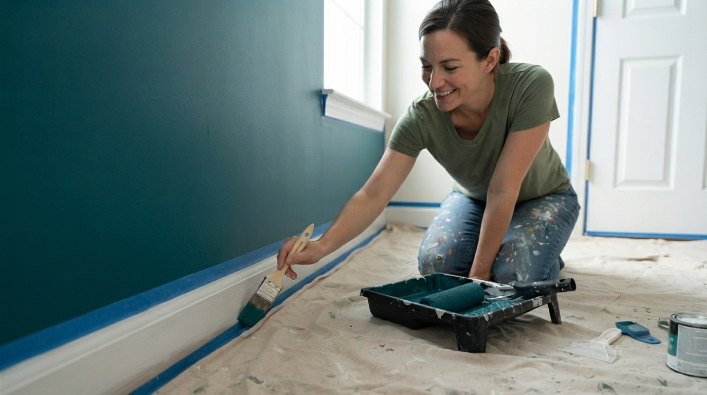
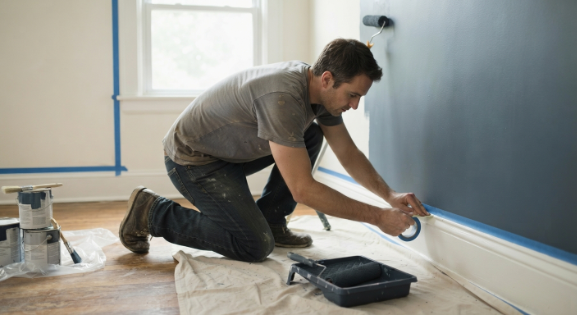
Painting is the classic entry point, but doing it well takes more than a roller and enthusiasm. Surface preparation determines almost everything: patching holes, sanding rough spots, cleaning grease off kitchen walls, and taping edges carefully.
Skipping prep is the single biggest reason DIY paint jobs look unfinished. If your home was built before 1978, it’s worth checking for lead based paint before sanding or scraping, since disturbing it can create hazardous dust.
The Environmental Protection Agency publishes lead-safe work practice guidance for homeowners doing their own renovation, repair, and painting projects, which is worth reading before you touch old painted surfaces.
Cabinet Updates
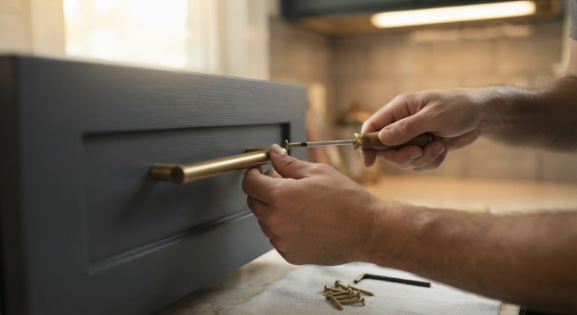
Full cabinet replacement is a big undertaking, but refacing, repainting, or swapping hardware is realistic for most homeowners. New pulls and hinges alone can change how a kitchen feels.
If you’re repainting cabinet boxes, plan for proper degreasing and priming, since kitchen cabinets accumulate cooking residue that resists paint adhesion.
Trim, Molding, and Finishing Details
Trim work rewards patience more than skill. Baseboards, door casing, and simple crown molding are approachable with a miter saw, wood filler, and caulk.
This is also where a renovation starts to look intentional rather than half done, because clean trim lines are what most people notice even if they can’t say why a room looks finished.
Lighting Fixture Swaps
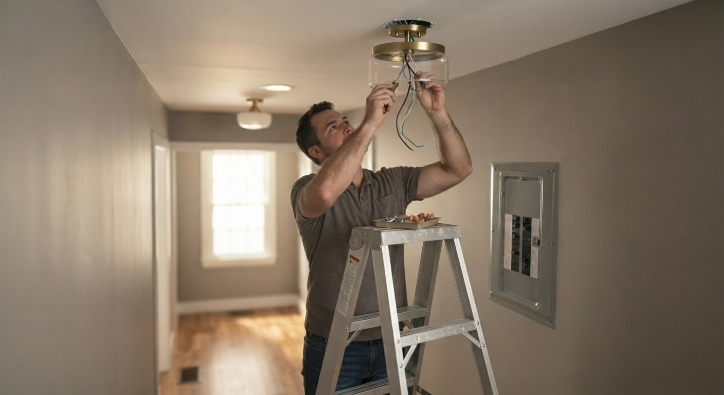
Replacing a light fixture where the wiring already exists is a common DIY task, as long as the circuit is switched off at the breaker before you start and the existing wiring is in good condition. This is different from adding new circuits or rewiring a room, which crosses into licensed electrician territory.
Storage and Shelving
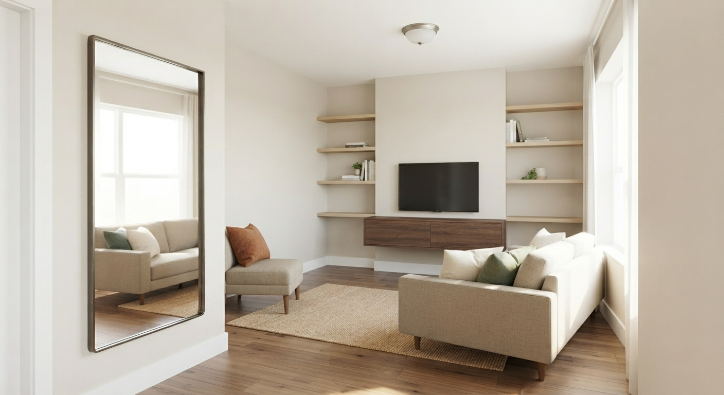
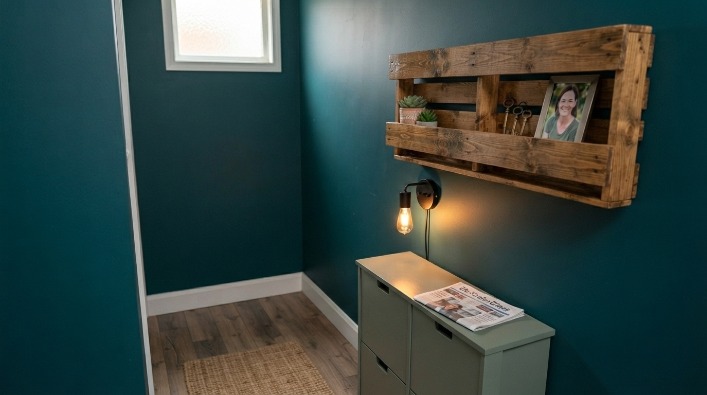
Built in style shelving, closet systems, and garage storage are practical DIY projects that improve function without touching plumbing, electrical, or structural elements. Measuring twice and using a stud finder properly will save you more frustration than any tool upgrade.
Where DIY Should Stop
Not every renovation task belongs on a homeowner’s to do list, and pretending otherwise is how projects go wrong.
Electrical work involving new circuits, panel changes, or anything beyond a simple fixture swap should go to a licensed electrician. The Occupational Safety and Health Administration notes that electrical hazards remain one of the most serious risks in construction and renovation work, contributing to shock, electrocution, and fire, and that risk doesn’t disappear because a project happens in a home instead of a jobsite.
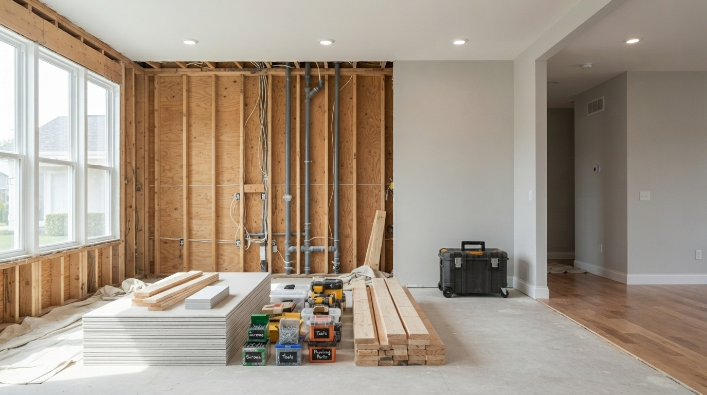
The same caution applies to gas lines, structural changes like removing load bearing walls, major plumbing rerouting, and roofing. These jobs involve permits, code compliance, and safety margins that take professionals years to master.
My rule of thumb: if a mistake could cause a fire, a flood, a collapse, or a health hazard, it’s not a DIY task.
Common DIY Renovation Mistakes
One thing I would prioritize before starting any project is realistic time estimates. Most DIY renovations take longer than expected because prep work, drying times, and small setbacks are usually left out of the planning.
Other frequent mistakes include buying materials before finalizing measurements, skipping primer to save a step, and working without proper ventilation when sanding or painting.
Ladder use deserves its own mention. A surprising number of home injuries happen from falls during simple projects like painting trim or changing a fixture.
Choosing the right ladder, placing it on level ground, and never standing on the top rung are basic habits that prevent most accidents, according to Consumer Product Safety Commission guidance on ladder safety.
Real Life Example: A Hypothetical Kitchen Refresh
Here’s a hypothetical scenario I think about often. A homeowner wants to update a dated kitchen without a full renovation budget. Instead of replacing cabinets, they sand and repaint the boxes, swap outdated hardware, install a new light fixture on the existing circuit, and add open shelving on one wall.
Countertops and plumbing stay untouched because those fall outside their comfort zone. The result is a noticeably different kitchen achieved through tasks that suited their skill level, while the higher risk elements were left for a professional quote later.
This kind of selective approach is, in my research, far more common among successful DIY renovators than attempting everything at once.
[Internal Link: Easy DIY Home Improvement Projects]
Tools Worth Having Before You Start
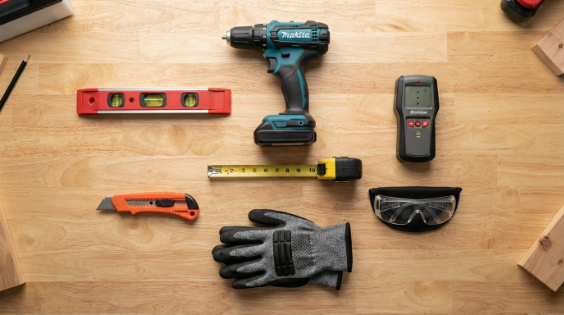
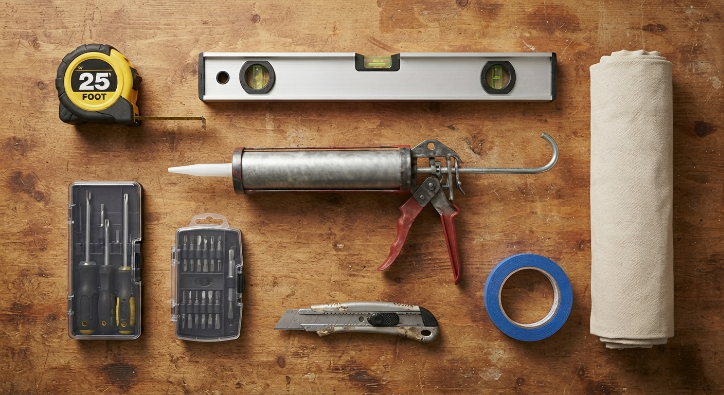
A basic renovation toolkit doesn’t need to be extensive. A quality stud finder, a good level, a miter saw for trim, a reliable drill, and proper safety gear cover most of the projects listed above.
I usually look at tool reviews from independent sources rather than relying on brand marketing, since durability matters more than flashy features for occasional use.
FAQs
What are the best DIY home renovation ideas for beginners?
Painting, cabinet hardware updates, trim installation, and shelving projects are generally the most beginner friendly, since they don’t involve electrical, plumbing, or structural changes.
Is DIY home renovation cheaper than hiring a contractor?
It can be, but not always. DIY saves on labor costs but requires time, tools, and a willingness to redo mistakes. Materials alone can still add up depending on the project.
How do I know if a renovation task is too advanced for DIY?
If the task involves electrical panels, gas lines, structural walls, or roofing, it’s safer to hire a licensed professional rather than attempt it yourself.
Do I need a permit for DIY home renovation projects?
Some projects, especially those involving plumbing, electrical, or structural changes, typically require permits. Cosmetic work like painting or hardware swaps usually doesn’t.
How long does a typical DIY renovation project take?
It depends heavily on scope, but most homeowners underestimate the time needed. Adding extra days for prep work and drying time is a realistic habit to build.
What safety precautions matter most for DIY renovation?
Ladder safety, proper ventilation, checking for lead paint in older homes, and shutting off power before any electrical work are the precautions most likely to prevent injury.
Can I mix DIY and professional work in one renovation?
Yes, and this is often the most practical approach. Many successful renovations combine homeowner labor on cosmetic tasks with professional help on higher risk elements.
Bringing It Together
DIY home renovation ideas work best when they’re matched honestly to what a homeowner can actually handle safely.
My approach has always been to start with the tasks that reward patience over specialized training: paint, trim, hardware, lighting swaps, and storage.
Save the electrical, structural, and plumbing work for licensed professionals, not because DIY isn’t capable, but because some risks aren’t worth taking on alone.
If you’re planning your next project, pick one task from this list, prepare properly, and give yourself more time than you think you’ll need.